
Every historical novelist meets the same quiet fear halfway through a draft: this sounds old.
Not old as in distant or reflective, but stiff. Over-dressed. As if the language itself has put on a bonnet.
The mistake is easy to make. We assume that writing history means sounding historical. It doesn’t. It means writing people who happen to live in another time.
The past was not experienced as history. It was lived as the present.
Key Facts on Writing Historical Fiction
- Historical fiction fails most often at the sentence level, not the research level
- Readers accept period detail faster than artificial period voice
- Emotional clarity matters more than linguistic accuracy
- Working lives shape speech more than dates ever did
- Restraint is the difference between authenticity and parody
The Trap: Trying to Sound Historical
When prose feels old-fashioned, it’s usually because the writer is performing the period. Formal sentence structures creep in. Dialogue stiffens. Words grow longer, slower, heavier.
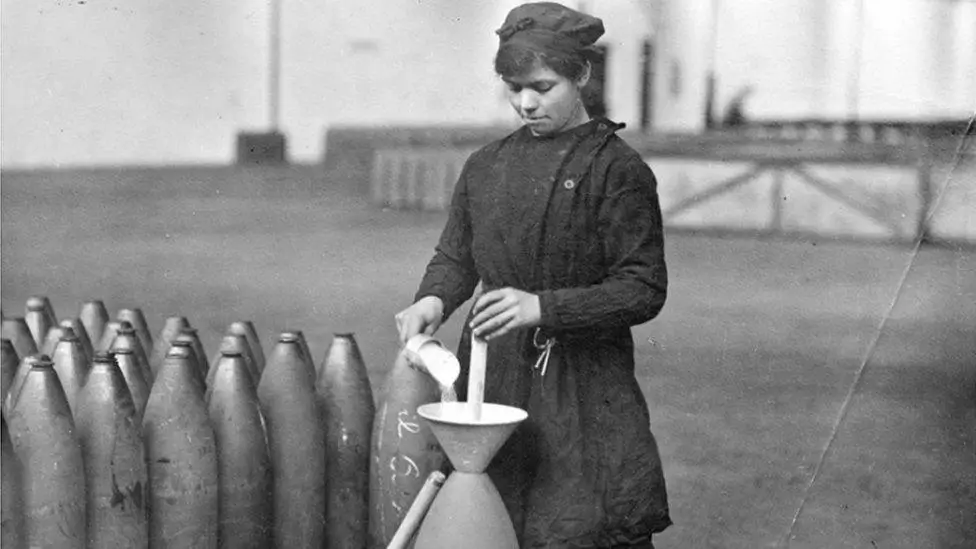
People in 1914 or 1916 did not speak like history books. They spoke plainly, urgently, often crudely, because life required it. War, labour, hunger, fear — these flatten language. They strip it back.
While writing A Penny a Shell, the factory women never needed elaborate phrasing. Their world was noise, pressure, repetition. Language followed suit. Clean lines. Short bursts. Thought tied directly to action.
If your prose sounds theatrical, it’s often because the sentences are doing too much work.
People First, Period Second
Emotion does not belong to an era. Exhaustion, resentment, humour, grief — these are not antique.
What changes is how people carry those feelings. A single mother filling shells in Yorkshire does not express fear the same way as an officer writing home, but neither needs archaic phrasing to feel real.
Class matters more than century. Labour shapes voice more than date. A dock worker in 1914 and a dock worker in 2014 share far more than either would with a socialite of their own time.
In Something That Counts, civilians under bombardment do not stop to narrate history. They react. They swear. They freeze. They think of children, doors, stairs, exits. Language follows instinct, not ceremony.
Let the World Carry the Time
The quickest way to date a novel is to force history into the dialogue.
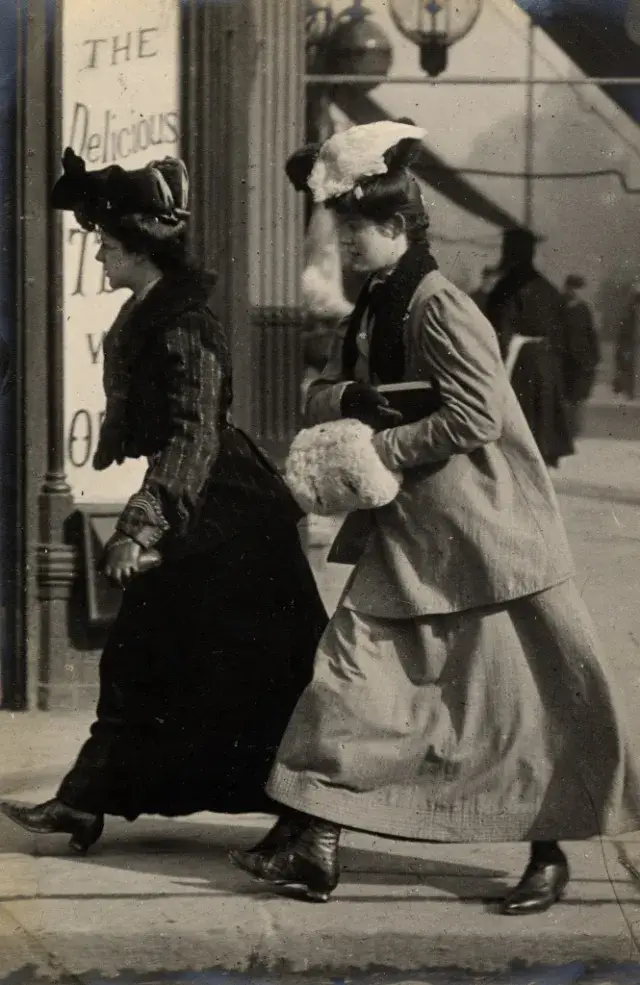
Let the setting do the work. Tools, routines, clothing, habits. The sound a place makes. The way bodies move through it. These cues anchor the reader without explanation.
Avoid explanatory asides that feel like plaques bolted to the wall. If a character would not explain it to another character, they should not explain it to the reader.
A factory does not need a lecture. Its rhythms are enough. A town under fire does not need military detail. Confusion and noise tell the story better.
Modern Sentence Flow Is Not a Betrayal
Many writers fear that clear, direct sentences will break the spell of the past. The opposite is true.
Shorter sentences sharpen tension. They reflect fatigue. They match danger. They carry speed without rushing.
Long sentences have their place, but they should stretch with purpose, not politeness.
In scenes of industrial labour and sudden violence, compression matters. Thought arrives late. Action arrives first. Let that order guide the line.
If a sentence feels dressed for Sunday, ask whether the character had time to dress at all.
Dialogue Should Breathe
Accuracy is not achieved through phonetic spelling. It is achieved through rhythm.
A hint of dialect is enough. One word. One turn of phrase. Anything more pulls the reader out of the scene and into transcription.
Speech should feel overheard, not staged. People interrupt. They repeat themselves. They avoid what matters most.
Reading dialogue aloud exposes stiffness instantly. If it sounds like a play, it probably reads like one too.
Research Is a Tool, Not a Display — and Why Historical Accuracy Still Matters
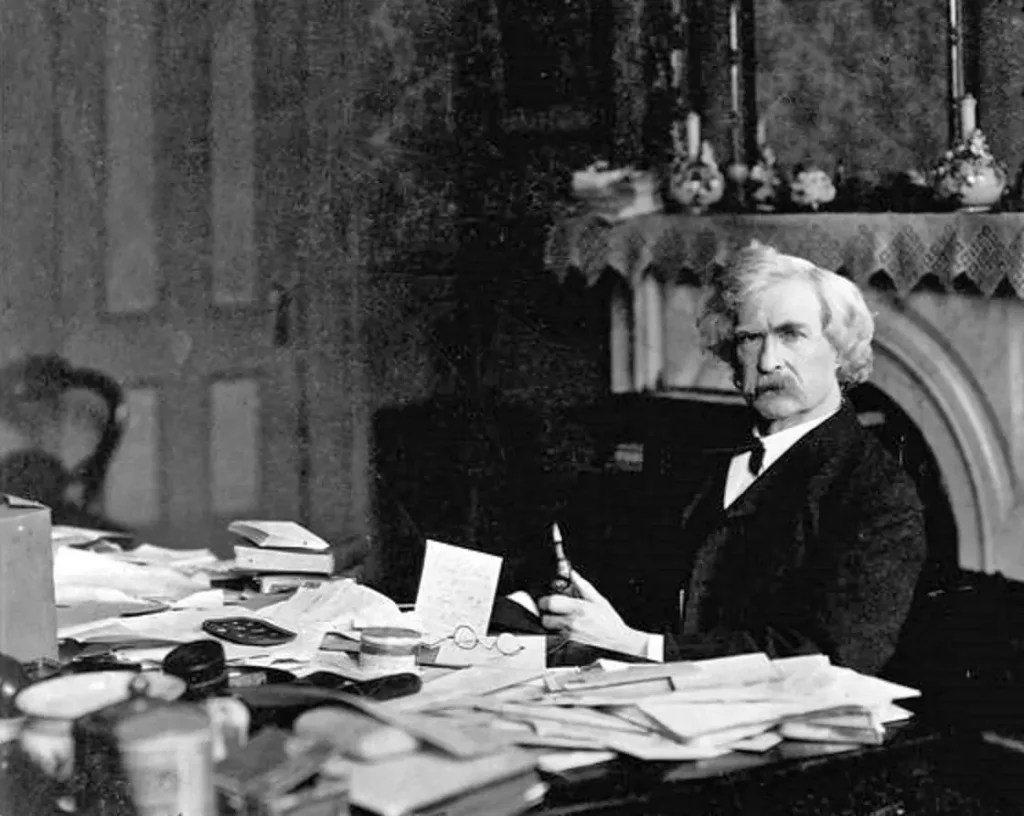
Research gives confidence. Confidence allows restraint. Historical Accuracy is not about showing what you know; it is about knowing enough to stay out of the way.
When the facts are secure, the characters do not need to announce them. They move through their world as if it is ordinary—because to them, it is. Dates, procedures, and terminology sit beneath the surface, shaping action rather than interrupting it. Choose details sparingly and place them with intent. One correct object at the right moment—a tool, a sound, a routine—can anchor a scene more firmly than a paragraph of explanation.
Accuracy also protects tension. When the world behaves as it truly did, pressure builds naturally. Consequences follow action. Mistakes carry weight. The past does not need decoration or embellishment. It needs friction, urgency, and constraint—conditions that only solid research can provide without ever stepping onto the page.
Trust the Reader
Readers do not need to be guided through every step. They will follow unfamiliar ground if the footing is firm.
Confusion can work when it mirrors the character’s state. Silence can say more than explanation. Gaps allow meaning to form without instruction.
Write the moment as it was felt, not as it will later be remembered.
The goal is not to preserve the past in glass. It is to let it move, speak, and bruise — as it once did.
Closing Thoughts
Writing the past well is not about reaching backward for a borrowed voice. It is about standing where your characters stand and letting the moment speak in its own register. When language stays close to action, when emotion arrives before explanation, the period settles naturally around the scene.
The women at Barnbow did not think of themselves as figures in history. Neither did the families in Scarborough who stepped into the street on an ordinary December morning and found the sky answering back. They lived forward, without framing, without distance. The work of historical fiction is to honour that immediacy.
If the sentences feel clean, if the dialogue carries weight without ceremony, if the setting presses in without instruction, the past will feel present. Not because it has been softened or simplified, but because it has been allowed to remain human.
That is where history stops sounding old—and starts sounding true.
Read Widely, Start Writing and Have Fun!
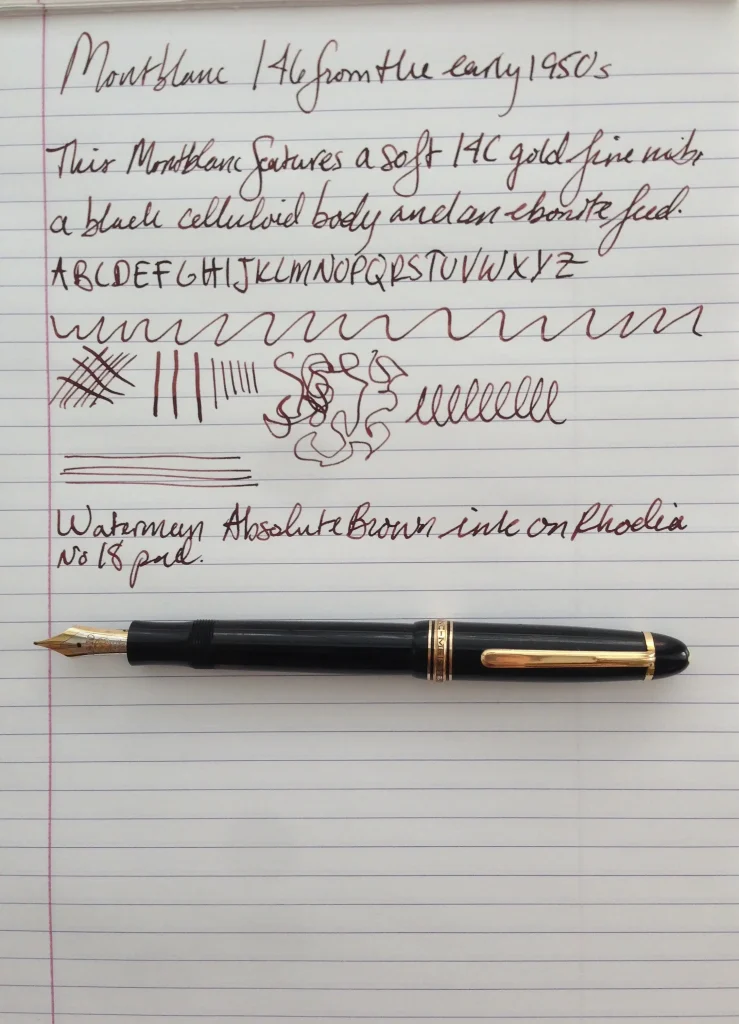
The surest way to find your voice in historical fiction is to keep reading, keep writing, and stop waiting for permission. Read work that feels alive on the page, not just correct on the surface. Pay attention to what moves quickly, what feels honest, what disappears while you are reading. Then return to your own pages and write with the same freedom.
The past does not require solemn handling; it rewards curiosity, energy, and trust. When the work starts to feel heavy, it usually means the writing has drifted too far from the people at its centre. Bring it back to them—and allow yourself some enjoyment along the way.
FAQs About Writing Historical Fiction
Do historical novels need old-fashioned language to feel authentic?
No. A strong historical novel relies on believable characters, clear action, and emotional truth. When you write fiction that focuses on how people think, work, and react under pressure, the period emerges naturally without artificial language getting in the way.
How do I balance historical accuracy with storytelling?
Historical accuracy should support the story, not interrupt it. Research thoroughly so the world behaves correctly, then allow the characters to move through it without explanation. This approach helps readers immerse themselves in the narrative without feeling lectured.
Can I base characters on real people when I write fiction?
Yes, but real people work best as inspiration rather than direct copies. Drawing from real lives can add weight and credibility, but shaping characters for the needs of a historical novel allows them to act, speak, and grow naturally within the story.
How do I help readers immerse themselves in a historical setting?
Focus on physical detail, routine, and consequence. Small, accurate details placed at the right moment—how work is done, how spaces feel, how danger arrives—allow readers to immerse themselves without slowing the story.
What matters more in a historical novel: research or voice?
Both matter, but voice carries the reader. Research makes the world believable; voice makes it readable. When you write fiction with confidence in the facts, you can keep the language clean and let the characters, not the research, lead the experience.