

Real People in Historical Fiction – Writing real people into historical fiction raises difficult questions about ethics, accuracy, and emotional responsibility. How much can a novelist invent? When should real names be used? And how do writers honour real lives without turning them into plot devices?
This article explores how historical fiction writers can responsibly use real people and events—balancing research with imagination, emotional truth with restraint, and storytelling with ethical care.
Key Takeaways
- Balance documented facts with imaginative invention, using records as scaffolding rather than a rigid script.
- Prioritize consent and family sensitivity, especially when portraying recent or traumatic lives.
- Ground characters’ emotions in period-appropriate behavior and documented habits, avoiding anachronistic motives.
- Flag composites and invented scenes transparently in author’s notes to honor historical integrity.
- Handle trauma with restraint, avoiding sensational detail while preserving dignity and empathetic nuance.
Research as the Foundation of Historical Fiction
Because fiction begins where records end, the novelist builds from documents with both curiosity and restraint. The writer prioritizes research and the historical record, treating archival fragments as scaffolding, not script.
In writing historical fiction, they map events and experiences—factory logs, letters, reports—against social circumstances to avoid inventing what the sources contradict. When using real people or composing composites, they balance factual accuracy with emotional truth, letting plausibility guide imagined scenes.
Ethical storytelling means acknowledging limits: gaps in a life story become spaces for careful inference, not projection. That approach keeps real people in your fiction recognizable and respected, and it helps readers trust the interplay between documented fact and empathetic invention.
Using Real Names in a Work of Fiction: Consent and Representation
When real names or lives appear on the page, the novelist must handle them with deliberate care, balancing the public record with respect for privacy, descendants, and the dignity of the person portrayed.
The writer weighs historical accuracy against emotional truth, asks permission where possible, and frames real people as characters without reducing them to plot devices. Ethical storytelling here means clear notes, transparent composites, and sensitivity to representation and legal issues.
| Concern | Practice |
|---|---|
| Naming | Use public record cautiously |
| Consent | Seek family where feasible |
| Composites | Label transparently |
| Representation | Respect surroundings and voice |
| Legal issues | Consult counsel when needed |
This approach honours real-life experiences, events and people while writing fiction responsibly.
Emotional Truth in Historical Fiction (Without Modern Bias)
Emotional accuracy comes from restraint. Records suggest how people behaved, not what modern readers expect them to feel. Grief, love, and fear were often private, constrained by class, gender, and circumstance.
Writers can maintain authenticity by:
- using period gestures rather than internal monologues
- grounding emotion in routine and habit
- reflecting social norms alongside individual difference
This method keeps real people in historical fiction alive ethically: emotional stakes feel authentic, scenes respect evidence, and storytelling remains rigorous, empathetic, and responsible.

Ethics of Trauma: Avoiding Exploitation and Sensationalism
How should a novelist handle trauma without turning it into spectacle? A responsible writer treats real people in fiction with care, balancing ethical storytelling and emotional accuracy. They avoid exploitation and trauma for effect, prioritising historical accuracy and compassion. Research—writing from records—anchors choices; imagined moments mustn’t overwrite known facts about a historical figure.
Sensational detail that serves shock, not understanding, makes victims into props. Instead, restraint, framework, and consequence preserve dignity and invite empathy. Decisions about naming, depiction, and motive weigh who’s fair game and why. Below, a concise guide highlights choices and consequences.
| Choice | Consequence |
|---|---|
| Sensational detail | Exploitation |
| Restraint | Respect |
| Named real person | Responsibility |
| Composite | Flexibility |
| Grounded research | Credibility |
When Fiction Fills Silence: Small Details That Restore Humanity
Because archives often record only duties and dates, fiction must supply the quiet textures that make a life feel lived: the scuffed heel on a factory floor, the way tea went cold while someone wrestled with a letter, the small superstitions that threaded a morning routine.
The novelist uses real people in historical settings to restore humanity through tiny, verifiable habits that suggest whole inner worlds. Thoughtful choices protect accuracy and ethical storytelling while preserving emotional accuracy.
A writer might:
- note a habitual gesture drawn from personal experiences or records,
- reuse period-appropriate objects to ground a fictional character,
- contrast public roles of historical people with private, tender moments.
This approach honours real life, lets readers write about real people respectfully, and keeps moral responsibility central.
Writing From Experience: A Penny a Shell and Something That Counts
My approach to using real people in fiction is shaped by long-form research and lived proximity to the history I write about.
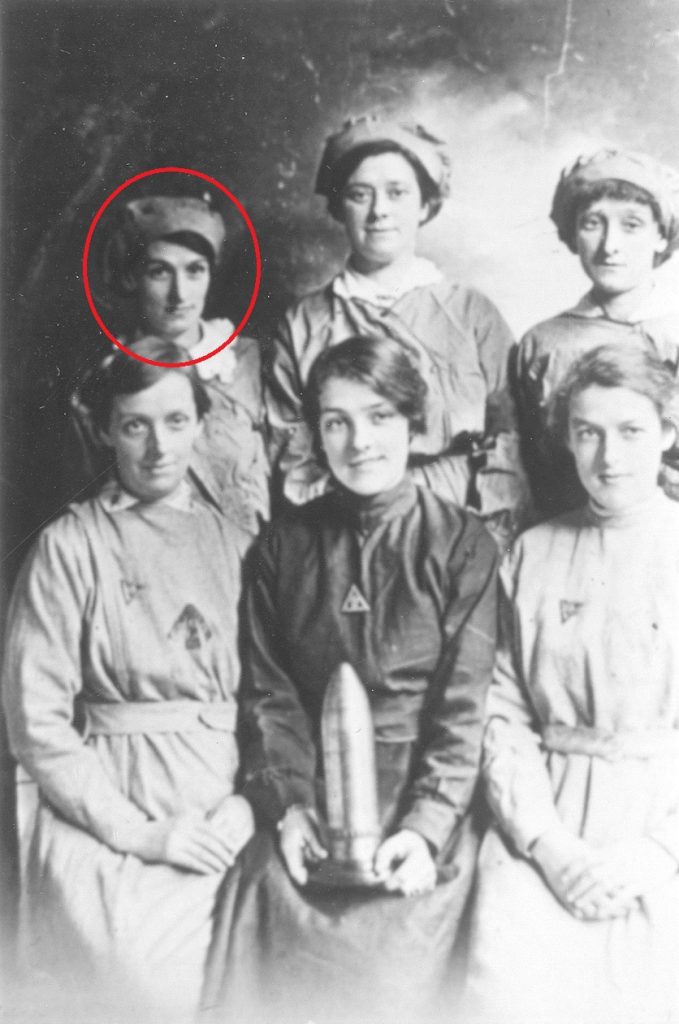
In A Penny a Shell, the story grew out of factory records from Barnbow, contemporary testimony, government reports, and family history connected to the 1916 explosion. Some of the women in the novel were real; others are carefully constructed composites. What matters is that every character is written as if she could have lived exactly that life.
I avoid assigning actions or motives that would sensationalise, diminish, or modernise their experience. The aim was never to dramatise tragedy for effect, but to restore dignity to lives reduced, for decades, to numbers and silence.
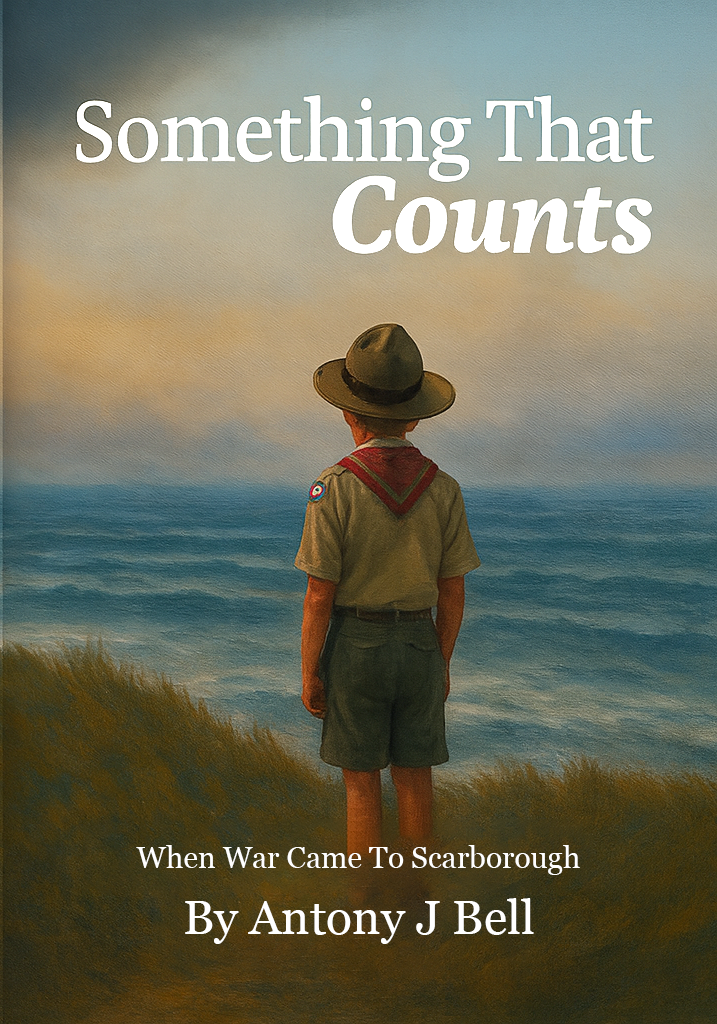
Something That Counts takes a different ethical approach. Georgie Taylor is fictional, but Scarborough in 1914 is rendered from documented events, locations, and social tensions.
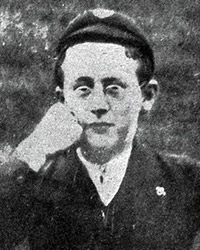
Georgie functions as a lens rather than a replacement for history—allowing readers to inhabit the emotional reality of a town on the brink of war without rewriting or distorting the historical record itself. His fears, misunderstandings, and small acts of resolve reflect the limits and pressures faced by many young people at the time.
Across both novels, my ethical line remains consistent: research sets the boundaries, empathy fills the gaps, and invention is only used where it deepens understanding rather than reshaping truth. Real people deserve careful handling, quiet respect, and emotional accuracy rooted in their world—not ours.
Conclusion
In the end, the writer keeps to a careful quiet: honoring names, filling hushes with small, honest gestures, and steering clear of lurid spectacle. They let archives breathe, listen for what’s missing, and dress grief in the soft clothes of everyday detail.

By choosing restraint over invention, they restore what history almost lost—not to sensationalize, but to tenderly remember, giving ordinary lives the gentle, lasting shape they deserve.
FAQs About Bringing Real People Into Historical Fiction
How do I responsibly write about a real historical events and experiences or person in a novel?
I start by listening before I invent. That means reading the records, understanding the setting, and being clear about what is known and what is not. When I do imagine beyond the sources, I try to do so gently—without forcing motives, drama, or modern thinking onto someone who can’t correct me. An author’s note can help signal where fact ends and fiction begins, and that honesty goes a long way with readers.
Is it acceptable to fictionalize dialogue or small details for main characters who really existed?
Sometimes it’s unavoidable. Records rarely tell us how someone spoke, what they joked about, or how they filled a quiet moment. I think the key is scale and intent. Small, everyday details that help a reader understand the person’s world are very different from invented actions or opinions that reshape who they were. If a detail risks changing how a real person would be judged, that’s usually where I stop.
What about writing fiction inspired by people I know or family stories?
This is where caution matters most. Even when the events are true, other people may remember them differently—or not want them told at all. I tend to change names, locations, and identifying details, and I often use composite characters so no one real feels exposed or pinned to the page. If a story feels closer to memory than invention, it may belong more comfortably in memoir than fiction.
Can I include famous or public figures in my story?
You can—but doing so carries weight. The more recognisable the name, the more your portrayal will be read as a claim rather than a story choice. I ask myself whether the real name genuinely adds something that couldn’t be achieved another way. If it does, accuracy and restraint matter; if it doesn’t, a lightly fictionalised figure often gives you more freedom and fewer ethical knots.
How do I avoid projecting modern attitudes onto people from the past?
This is one of the hardest parts of historical fiction. I try to anchor emotion in behaviour rather than explanation—what people did, avoided, joked about, or carried silently. Letters, routines, workplace rules, and social customs often tell us more about feeling than explicit statements ever could. When in doubt, I step back and ask whether a reaction belongs to the period—or to me.
How shouldI write about real trauma and tragedy when they’re drawn from real events?
With restraint. Real suffering doesn’t need embellishment. I avoid lingering on shock or detail simply to heighten drama, and I’m wary of turning pain into spectacle. Often, what happens after—the quiet, the absence, the altered routine—carries more truth than the moment itself. Respecting the dead sometimes means knowing when to look away.
Do I need an Historical figure at all to tell a truthful historical story?
Not always. Some of the most honest historical fiction uses invented characters to explore real pressures, places, and events. A fictional figure can move through documented history without distorting it, acting as a witness rather than a claim. That freedom can allow a story to stay emotionally true without risking harm to real lives—or the trust of the reader.