
For most of my life, Sarah Ann Jennings was more silence than story.
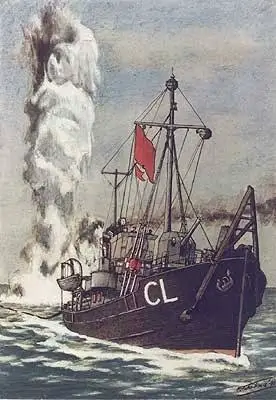
My grandfather, Cecil, died in 1973. For fifty-seven years, he carried a version of how his mother had died. He told his daughter that she had been killed on a hospital ship in the North Sea during the Battle of Jutland. It was the kind of story a father might tell a child. Brave. Noble. Far away.
It was not true. He had been told to keep a secret in 1916, and he kept that secret until the day he died.
In the early 1980s, on a school trip to York, my mother asked me to find the Rose Window in York Minster. Beneath it, in wooden cabinets, are the names of women of the Empire who died during the First World War. She told me to look for one name: Sarah Ann Jennings.
I found it there.
The truth was not at sea. It was in a munitions factory outside Leeds called Barnbow.
This article does not add what cannot be known. It sets out the facts we have and leaves the rest in quiet.
What We Know for Certain
The facts are few, but they are clear.
Sarah Ann Jennings was born in 1878 in Wilberfoss, East Yorkshire.
As a young woman, she went into domestic service and worked as a scullery maid at Sulgrave House in Northamptonshire. For working-class women at that time, service was one of the few ways to earn a wage.
She later returned to Yorkshire, pregnant. The circumstances are not recorded. What is recorded is that she lived with Annie Brown and Thomas Brown at Brown’s Farm in Warthill.
On 5 December 1916, she was killed in an explosion at the Barnbow National Filling Factory near Leeds.
That is the documented record.
A Working Woman in Edwardian Yorkshire
To be born in rural East Yorkshire in 1878 meant work. Early mornings. Long days. Little room for choice.
Girls left school young. If they were lucky, they found a position in service. If not, it was farm labour or, later, factory work. A young woman leaving her village to work in a large house would have stepped into a world of rules and hierarchy. You rose before the household. You kept quiet. You did your job.
Returning home unmarried and pregnant would not have been simple. Villages were small. Everyone knew everyone else’s business. There would have been whispers. There always are.
We do not know how Sarah felt about any of this. We only know the shape of the world she moved through.
The Barnbow National Filling Factory
When war began in 1914, Britain needed shells. In huge numbers. Barnbow, officially National Filling Factory No. 1, became one of the largest shell-filling factories in the country.
Thousands of women worked there. They handled explosives. They filled artillery shells bound for the Western Front. They were paid by output, a penny a shell.
The work carried risks. TNT dust stained skin yellow. Shifts were long. Fatigue was common. One mistake could be fatal.
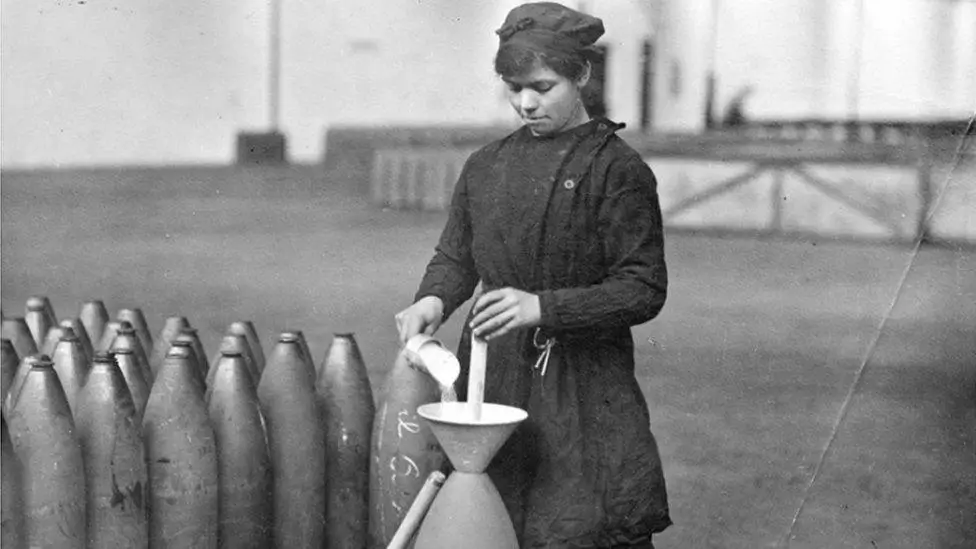
On 5 December 1916, a massive explosion tore through part of the factory. Thirty-five women were killed. Many others were injured.
Public reporting at the time was limited for security reasons. The details were muted. The funerals were quiet.
Sarah Ann Jennings was one of those thirty-five women.
The Day She Died
We know the date. We know the location. We know that an explosion inside the filling factory killed a group of women working with high explosives.
We do not know where Sarah was standing. We do not know what she was thinking. We do not know whether she heard anything before it happened.
The official record reduces her death to a line of text.
The war took not only men from trenches. It also took women from factory floors.
And it did so suddenly.
The Memorials
Sarah’s name survives.
There is a memorial plaque in Warthill church. It fixes her in the village where she lived.
Her name also appears on the Scroll of Honour for the Women of the Empire beneath the Rose Window in York Minster. The list of names is long. Each one marks a life that ended too soon.
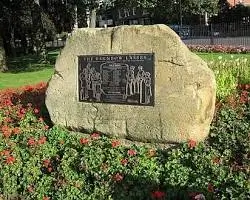
The memorials do not tell her story. They do not describe her character. They record that she lived, and that she died during the Great War.
Sometimes that is all history leaves us.
Fact and Fiction
I have written novels set around Barnbow. In those books, I imagine women like Sarah. I give them voices, friendships, fears, and choices.
It matters to say this clearly: beyond the confirmed facts of her birth, employment, residence, and death, the rest is fiction.
Fiction can sit beside the record. It can suggest what might have been. But it does not replace what we know.
Writing about a real ancestor requires care. The line between honouring someone and inventing certainty must stay clear.

Why Sarah Matters
Sarah Ann Jennings was not famous. She did not leave letters quoted in history books. She did not command attention in her lifetime.
She was a working woman.
That matters.
The Great War was sustained by labour far from the front lines. Women like Sarah filled the shells that were fired in France and Belgium. They did so knowing the risks, even if they did not speak of them.
Her name stands for many others whose lives are only lightly recorded.
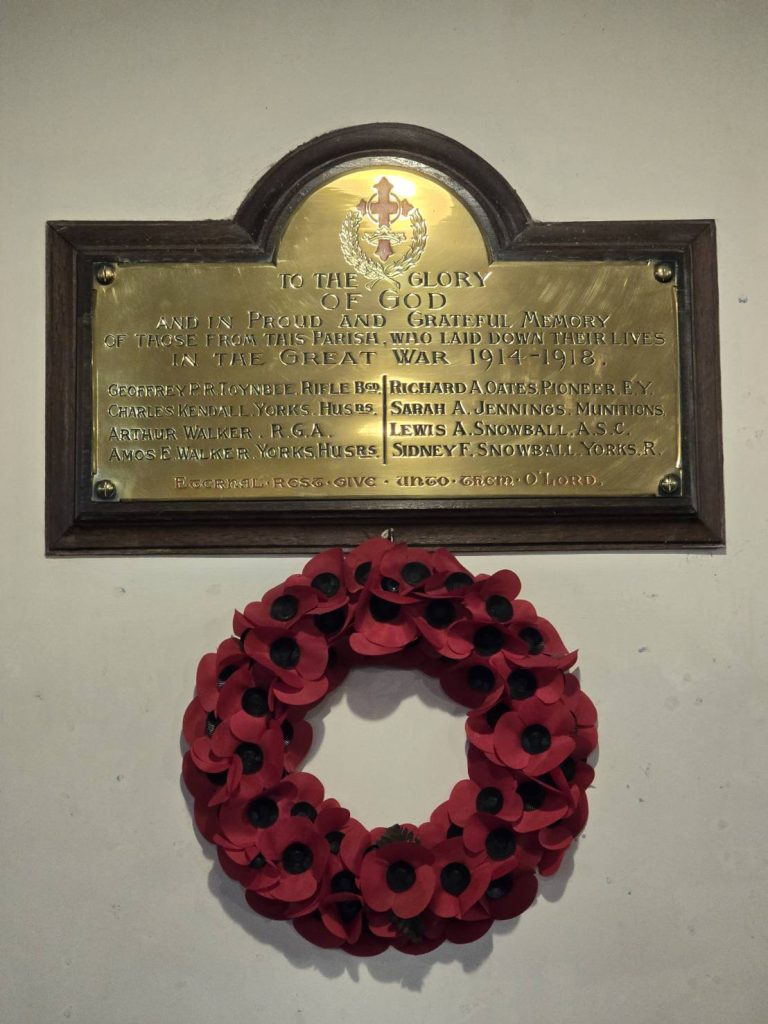
The Name on the Wall
Born in 1878 in Wilberfoss.
Died on 5 December 1916 at Barnbow.
Her name is carved into wood in York Minster. It is fixed to a plaque in Warthill church.
The documented facts are brief.
The life behind them was not.
This article does not try to fill the silence.
It simply stands beside it and remembers.
About ‘A Penny a Shell.’
A Penny a Shell is a literary historical novel set in wartime Yorkshire, inspired by the real 1916 explosion at the Barnbow munitions factory near Leeds. The story follows three working-class women whose lives become bound together inside the smoke-filled shell-filling rooms, where they are paid a penny for every round they pack and where one mistake can mean disaster.
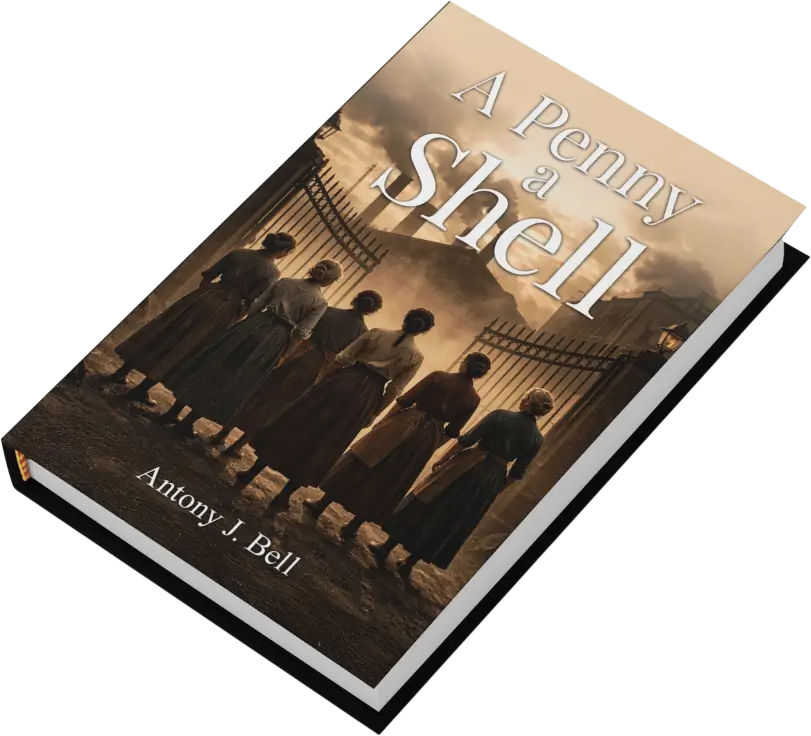
Rooted in archival research and family history, the novel shines a light on the often-forgotten women of the Great War home front. It is a story of labour, loyalty, sacrifice, and the quiet strength of this history rarely centres.