
Hidden First World War Sites – Yorkshire conceals dozens of overlooked First World War sites—places where industry, civilian life, and defence quietly shaped the war far from the trenches. From munitions factories and bombarded seaside streets to experimental sound mirrors and training trenches, these locations preserve physical evidence of mobilisation, loss, dissent, and vigilance.
Together, they tell a civilian history of the war: how communities worked, waited, resisted, trained, and remembered. What follows is a guide to some of Yorkshire’s most revealing—and often unnoticed—WW1 sites, with historical context and clues for visiting today.
Key Takeaways on Historical World War 1 Sites in Yorkshire
- Barnbow Munitions Factory (Crossgates) — a centre of mass shell production and the site of the 1916 explosion that killed 35 women workers.
- Sound mirrors at Kilnsea and Redcar — early acoustic warning systems built from 1916 to detect approaching aircraft.
- Scarborough bombardment scars — visible shell damage from the German naval attack of 16 December 1914.
- Richmond Castle cell block — preserved prison cells bearing drawings and slogans from the Richmond Sixteen conscientious objectors.
- “Pals” practice trenches around York and Leeds — training excavations that recreated Western Front trench systems.
- Egton “Tank” memorial — a rare carved tribute preserving the image of a Mark V tank.
- Catterick “Ghost” Aerodrome — surviving RFC buildings from Britain’s early military aviation.
- Spurn Point Garrison — a fortified WW1 coastal defence at the mouth of the Humber.
- Skinningrove ironworks defences — industrial sites protected as strategic targets.
- Ripon Military Cemetery and the Broken Wheel memorial — reminders of logistical and imperial sacrifice.
The Barnbow Munitions Factory (Crossgates, Leeds)
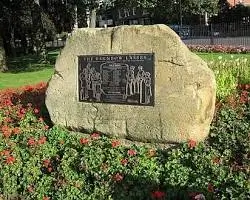
Hidden within modern suburbia, the Barnbow munitions factory—officially National Filling Factory No. 1—was one of the largest shell-filling sites in Britain. It produced over half a million tons of ammunition and employed thousands of local women, later known as the Barnbow Lasses.
Production records reveal rigid routines, dangerous materials, and strict secrecy. On 5 December 1916, an explosion in Room 42 killed thirty-five women instantly. Wartime censorship suppressed the scale of the disaster, but its impact endured.
Today, the factory itself has vanished. Grass-covered earthworks near Manston Lane trace the outlines of former sheds, while the memorial in Manston Park marks one of Leeds’ darkest days.
The Scarborough Bombardment Scars (North Yorkshire)
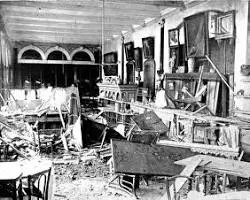
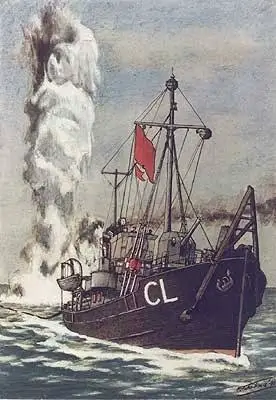
On 16 December 1914, German battlecruisers shelled Scarborough, Whitby, and Hartlepool. Eighteen civilians were killed in Scarborough alone. The attack stunned Britain by demonstrating that coastal towns were no longer beyond the reach of war.
The scars remain visible. Shrapnel pockmarks still mark the western wall of the Grand Hotel. A shell hole survives in the barracks wall at Scarborough Castle. The lighthouse, destroyed during the raid, was later rebuilt.
These physical traces anchor archival records—eyewitness testimony, burial registers, and censored newspaper reports—into the modern townscape, ensuring the civilian impact of the bombardment is neither abstract nor forgotten.
The Sound Mirrors (Kilnsea & Redcar)
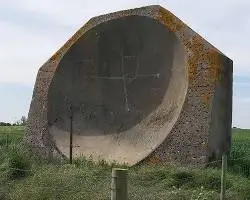
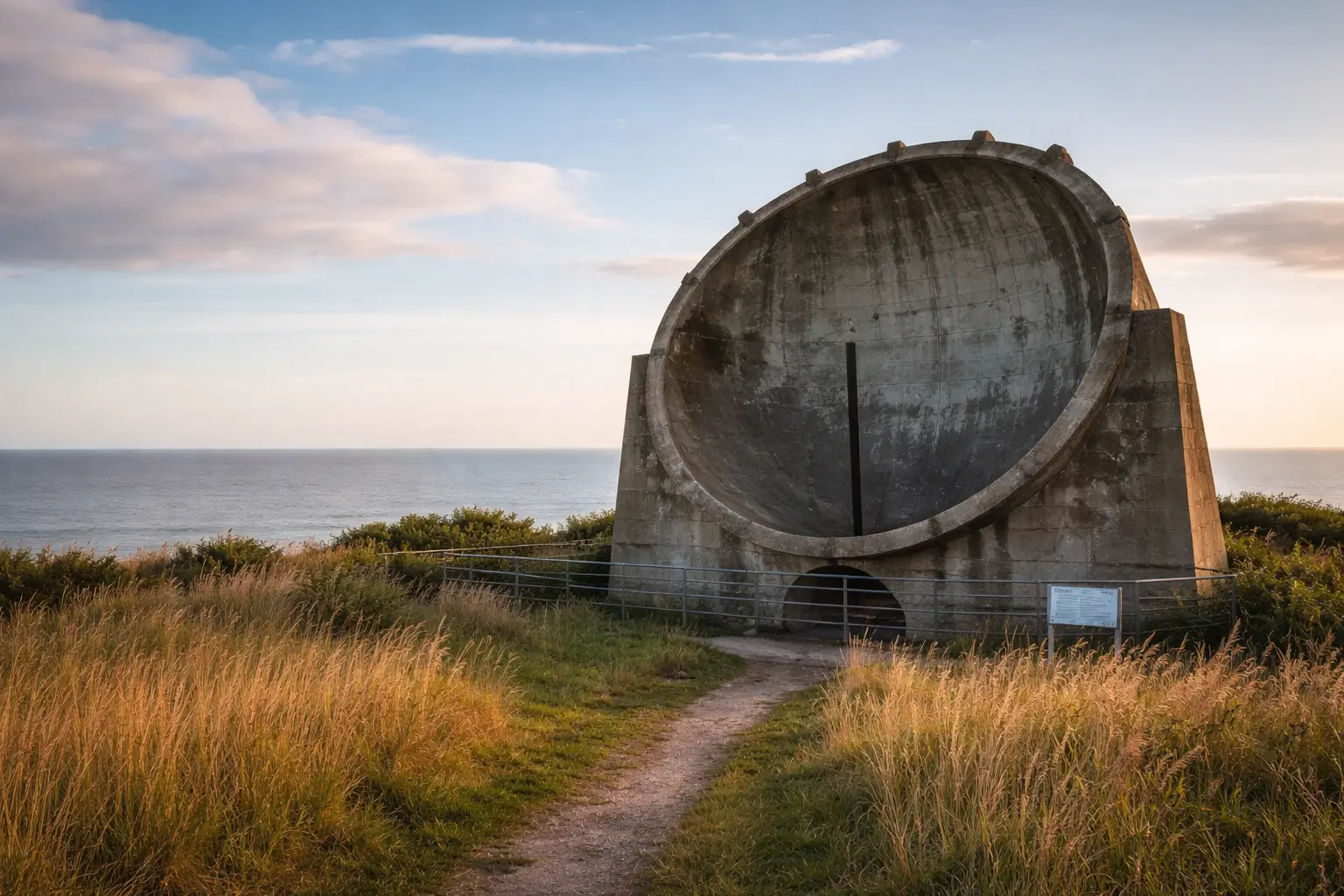
Built from 1916 onward, Yorkshire’s sound mirrors represent an experimental phase of coastal defence. Before radar, concrete structures were designed to amplify and locate the sound of approaching aircraft.
At Kilnsea, a 15-foot concrete dish still faces the North Sea. In Redcar, a simpler curved wall survives in a residential area, often overlooked for its plainness. Both relied on human listeners, directional testing, and timing rather than instruments.
They remain silent records of early defensive thinking—structures shaped by urgency rather than certainty.
Richmond Castle Cell Block (North Yorkshire)
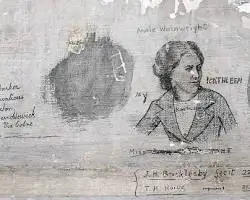
Richmond Castle’s WW1 cell block preserves one of the most personal archives of dissent from the war. In 1916 it held the Richmond Sixteen, conscientious objectors who refused military service.
Before being sent to France—where death sentences were later commuted—the men filled the cell walls with pencil drawings, hymns, slogans, and names. These markings survive intact.
The cell block records conviction under confinement. Unlike memorials that speak of service, it documents resistance, quietly and without resolution.
The “Pals” Practice Trenches (York & Leeds)
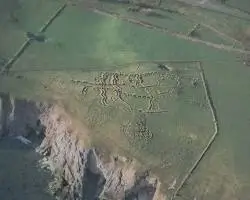
Across Yorkshire, replica trench systems were dug to train volunteers for the Western Front. Though never used in combat, they endure as physical records of preparation and expectation.
At Fulford Golf Course in York, zigzag trench lines remain visible on the 10th and 16th fairways. Near Leeds, subtle earthworks at Breary Marsh by Golden Acre Park mark the former Leeds Pals training area.
These trenches taught movement, drainage, and discipline. Their compressed soil preserves the imprint of mass enlistment on ordinary landscapes.
The Egton “Tank” Memorial (North York Moors)
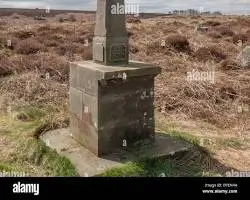
After the war, towns that raised substantial funds were often gifted decommissioned presentation tanks. Most were scrapped during the Second World War.
Egton’s memorial is different. A stone cross carved with the relief of a Mark V tank preserves the image long after the metal was lost. Set within the North York Moors, it links industrial warfare with village memory.
The memorial remains a focal point for local remembrance.
The Catterick “Ghost” Aerodrome (Catterick Garrison)
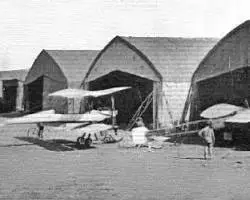
Within today’s garrison lies a grass airfield dating from 1915. Surviving structures include the former Officers’ Mess and several Grade II listed hangars used by the Royal Flying Corps.
Archival plans and squadron records link the site to early aviation training, when fragile biplanes required open fields and lightweight construction. The aerodrome offers WW1 heritage without spectacle—functional buildings shaped by necessity.
Spurn Point Garrison (Humber Estuary)
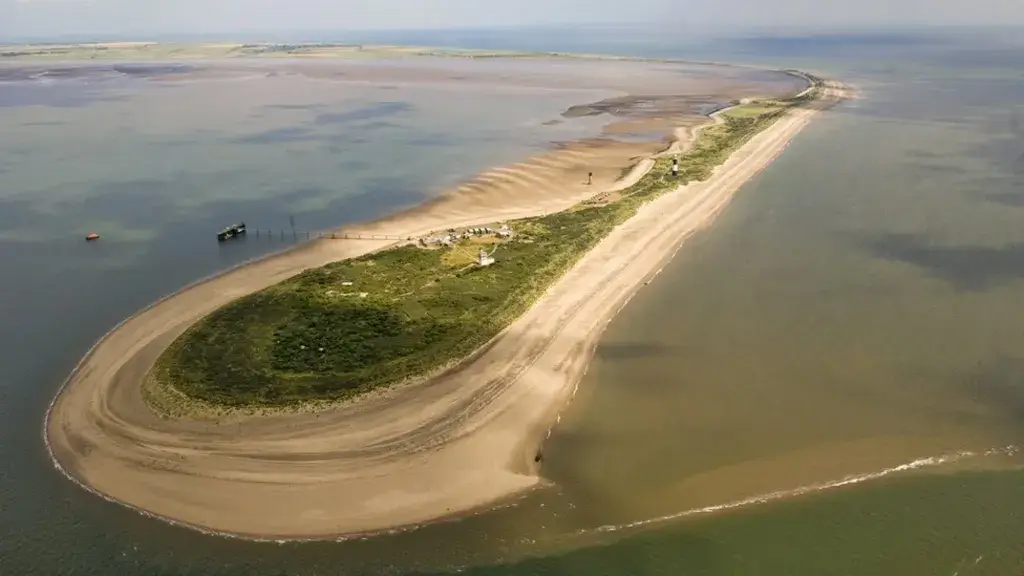
At the mouth of the Humber, Spurn Point was rapidly fortified in 1914. Concrete gun emplacements, brick barracks, and an isolated military railway supplied batteries guarding vital shipping lanes.
Maps and ordnance reports document heavy guns, vaulted structures known as the Dark Arches, and accommodation for gunners stationed on the shifting spit. Though remote, the site played a key deterrent role in regional defence.
The Iron Walls of Yorkshire (Skinningrove)
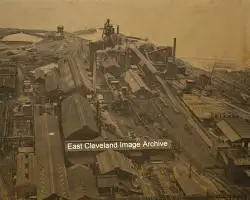
Skinningrove’s ironworks formed a critical link between industry and warfare. Producing materials for shells and ships, the complex was treated as a strategic target.
Coastal defences—including gun bases and command bunkers—still overlook the works from the cliffs. Records describe altered labour patterns, long shifts, and heightened risk, binding industrial output directly to civilian sacrifice.
Ripon Military Cemetery & the Broken Wheel

Much of Ripon’s WW1 training camp has disappeared, but its military cemetery remains. In St John’s churchyard, a small WW1 section holds soldiers from across the Empire—Caribbean, African, and Indian recruits—many in unmarked graves.
Burials from the 1918 influenza pandemic lie alongside service deaths. Nearby, the understated Broken Wheel memorial honours transport and supply units essential to the war effort.
Together, these sites record logistics as loss, quietly and without grandeur.
Conclusion
Yorkshire’s hidden First World War sites resist tidy remembrance. Practice trenches that never saw combat, factories that worked in silence, sound mirrors mistaken for curiosities—all insist that the war enlisted landscapes as well as people.
These places do not ask for nostalgia. They ask for attention. Preserved, overlooked, or absorbed into daily life, they form a regional archive of endurance, dissent, and obligation—one that rewards careful walking and honest memory.
FAQs For WW1 Sites in Yorkshire
What was the most significant WW1 event to take place in Yorkshire?
The most significant WW1 event in Yorkshire was the Scarborough bombardment of 16 December 1914, when German warships shelled civilian towns along the coast. It marked one of the first times British civilians were deliberately targeted, fundamentally changing how the war was understood at home.
Why are many WW1 sites in Yorkshire considered “hidden” rather than memorialised?
Many WW1 sites in Yorkshire are linked to industrial, training, or defensive events rather than battlefield action. Factories, practice trenches, and sound mirrors were functional spaces that were later dismantled, built over, or absorbed into the landscape, leaving only subtle physical traces rather than formal memorials.
Can WW1 sites connected to major events in Yorkshire still be visited today?
Yes. Many sites associated with a WW1 event can still be visited today, including Scarborough’s bombardment scars, the earthworks at Barnbow, the sound mirrors at Kilnsea and Redcar, and the preserved cell block at Richmond Castle. Some locations require careful observation or local guidance to fully identify.
How were civilians affected by WW1 events in Yorkshire?
Civilians were directly affected by multiple WW1 events, including naval bombardment, industrial accidents, aerial threats, mass enlistment, and imprisonment for conscientious objection. These events brought the war into homes, workplaces, and public spaces across the county.
Why do WW1 events in Yorkshire still matter today?
WW1 events in Yorkshire reveal how the war reshaped everyday life far from the front lines. They show how ordinary places—streets, factories, coastlines, and training grounds—became part of the conflict, leaving lasting marks on regional memory and identity.