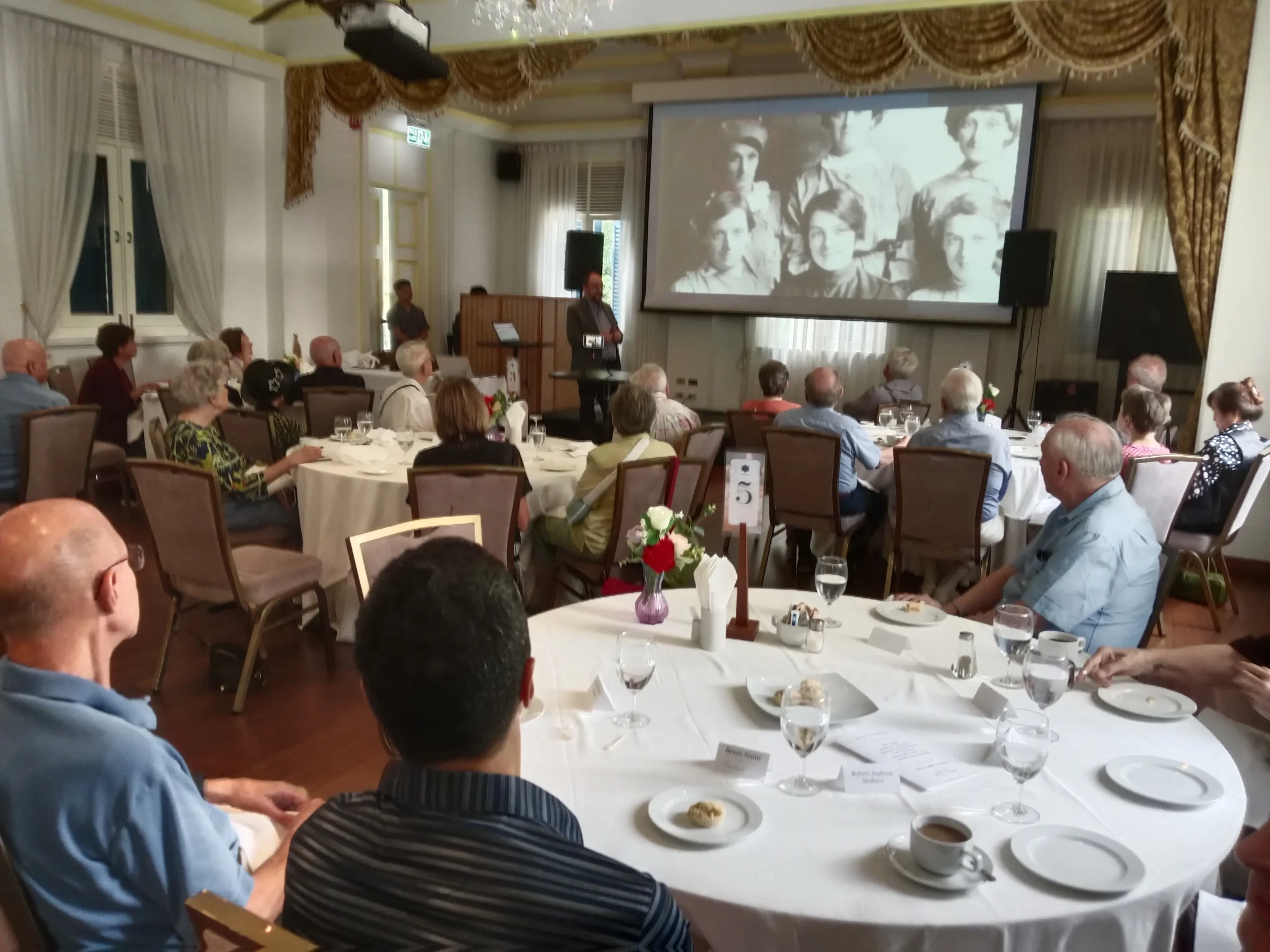


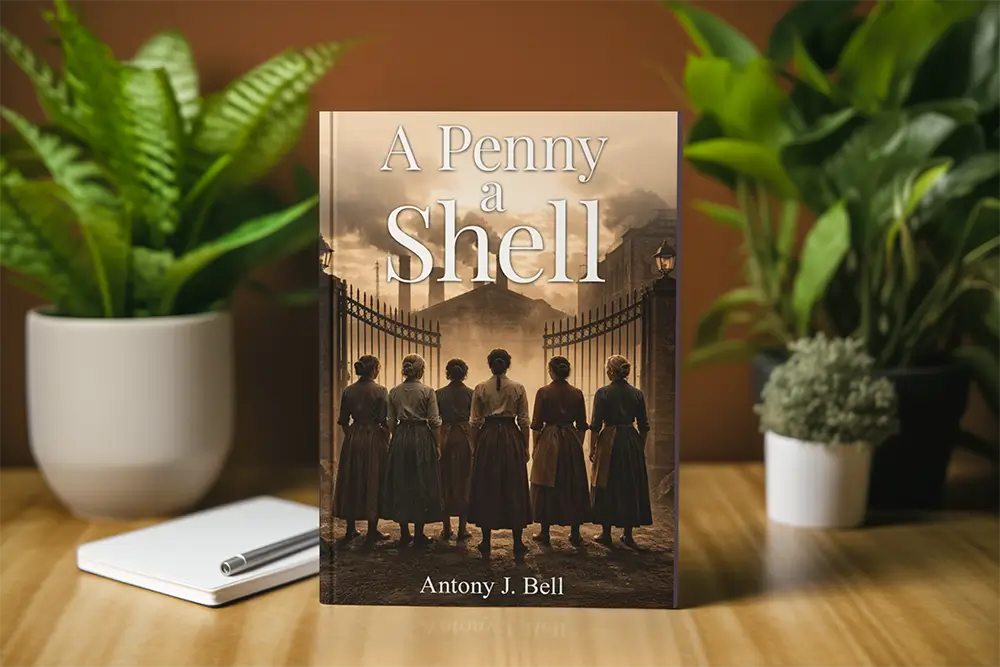
I was interviewed by Leslie S. Lowe for the Historical Novel Society about A Penny a Shell. It was a chance to talk about where the book came from, why it matters so much to me, and what I hope readers take from it. Here are a few of the highlights, and you can read the full interview on the The Historical Novel Society website.
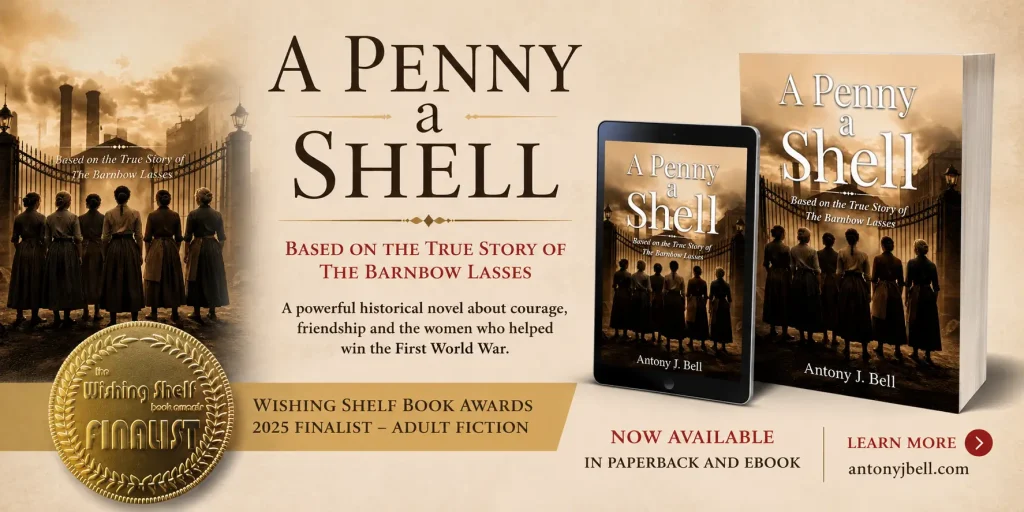
In 1916, thirty-five women were killed in an explosion at the Barnbow munitions factory near Leeds. One of them was my great-grandmother, Sarah Ann Jennings. A Penny a Shell is the story behind that number: the lives, friendships and quiet courage of the women who worked on the home front, where speed meant money and mistakes meant death.
A name, a mention, a line in history
For most of my life I only knew my great-grandmother in fragments. A name. A brief mention. The fact that she died during the war. It was never something the family fully spoke about.
When I started looking into it properly, I realised how little there actually was. I was piecing together a life from records and snippets, trying to build a fuller picture of someone who had been reduced to a single line.
That changed the book completely. It stopped being about writing a story and became about getting it right: the people, the tone, and the respect they deserved. Writing those scenes carries a different weight when you know one of the women was family. In the end, it was about giving some shape back to something lost over time, and making sure Sarah and the others weren’t forgotten.
Not just “the Barnbow girls”
Leslie asked how I built the characters of Eliza, Sarah and Lucy. For me, it starts with getting as close as I can to the real 1916. Not just the events, but what it felt like to live through them: the long hours, the exhaustion, the strain of feeding a family when food was scarce, and the grief of losing a brother at the Somme hanging over a city like Leeds.
The hardest part is holding onto individuality. It would be easy to group them together as “the Barnbow girls” and leave it there. But each woman carried something different into that factory. Once you understand the pressures and small moments that shaped them, their fears and even their humour feel natural rather than constructed.
They aren’t heroes in the traditional sense. They’re working-class women trying to earn money, keep their families afloat, and get through each day in a place that could kill them. There’s a lot of history behind Barnbow, but none of it matters unless the reader feels it through them.
A Yorkshireman, an airman and a dog walk
I’m a working-class Yorkshireman, brought up during the unemployment crisis of the 70s and 80s. Sixteen years in the Royal Air Force gave me an understanding of structure, discipline, and places where mistakes carry real consequences. All of that fed naturally into writing about Barnbow.
We also talked about writing habits. I work in phases: stretches of focused, consistent writing, then periods of stepping back, thinking and researching. When I get stuck, it’s usually because something in the story isn’t working, not because I’ve run out of ideas. My fix is a long walk with the dog. It’s about solving the problem, not waiting for inspiration.
My advice to other historical writers? Do the research, but don’t let it take over. It wasn’t history to the people who lived it; it was their lives. Readers don’t connect with facts, they connect with people. Let the history sit around your characters and support the story rather than dominate it.
And the book I always come back to? Birdsong. It strips the war back to the human experience. It’s the small moments that land, the relationships, the fear, the endurance, and it never feels like it’s trying to teach you history. It just places you inside it.
What’s next after The Historical Novel Society
All my work sits in the same space: First World War fiction based on real events, told from the home front rather than the trenches. A Penny a Shell is the most intimate so far, staying close to the day-to-day reality of the women at Barnbow.
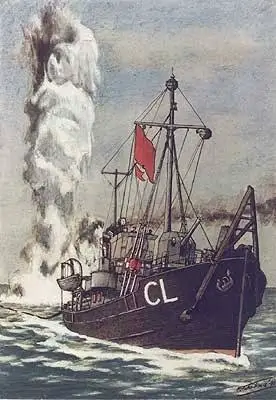
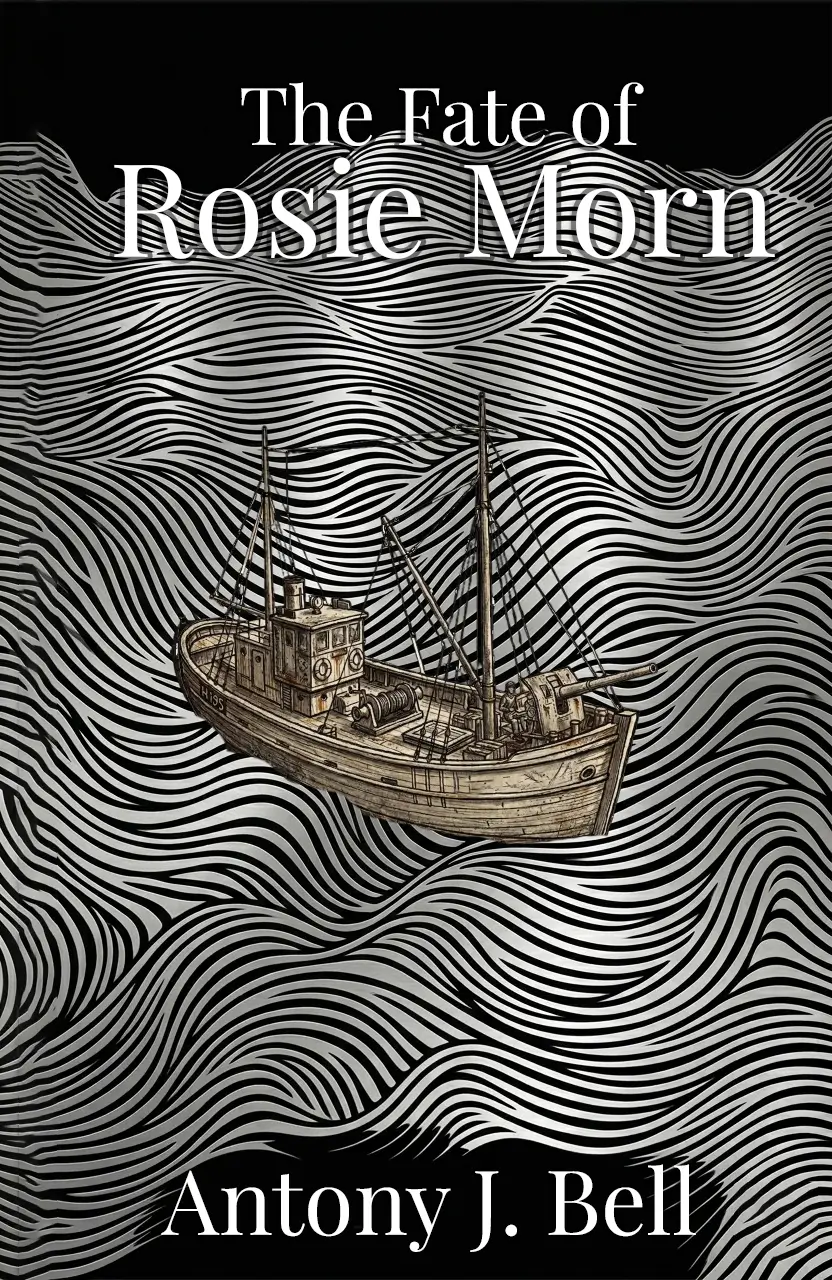
I’m now working on Three more novels. One centres on the bombardment of Scarborough and its impact on the town. The other follows a young boy serving on a minesweeping trawler. Like A Penny a Shell, both are rooted in actual events and focus on the human side of the war.
If there’s one thing I hope readers take away, it’s this: the war wasn’t only fought on the front lines. Behind it stood a whole workforce, many of them women, doing dangerous, essential work under immense pressure. Many of their stories were never properly told.
My thanks to Leslie S. Lowe and the Historical Novel Society for the conversation. You can read the full interview here, and find A Penny a Shell here.