

The Moment of Disaster: There are explosions you can imagine, and then there are those you can’t.
On the night of 5th December 1916, inside a wooden hut at Barnbow, the difference between the two lasted less than a second. One moment, routine. The next, nothing but heat, noise, and confusion — a space torn apart before anyone could understand what had gone wrong.
But it wasn’t just the blast that killed.
What followed in those seconds and minutes after was something slower. Something more relentless.
And for many inside Room 42, far worse.
A System Built on Precision — and Pressure
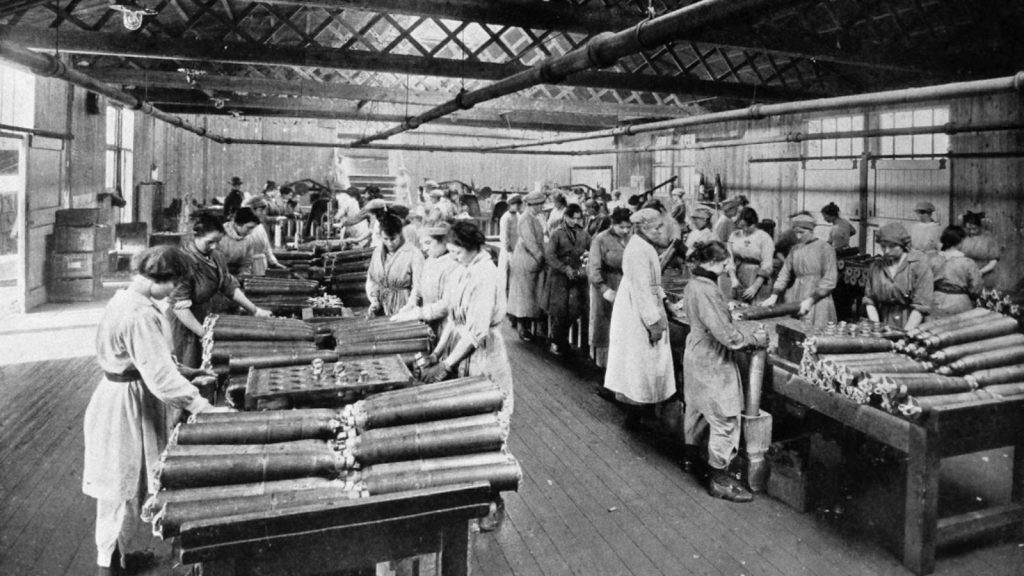
Barnbow was a place that relied on repetition. Every movement, every step in the process, had to be performed exactly the same way, over and over again.
There was no room for improvisation.
- Shells were filled in stages, each one dependent on the last
- Explosive charges had to be measured and placed correctly
- Fuses had to be aligned and tightened with precision
The women working there knew this. They understood the risks in a way that didn’t need explaining.
But they were also working under constant demand.
The war did not slow down. Production targets did not soften. The work carried on through long shifts, fatigue settling in quietly, almost unnoticed.
And in that environment — where everything depended on getting it right — one slight mistake could carry consequences far beyond the person who made it.
The Moment of Disaster – The Moment It Broke
Inside Room 42, the final stages of shell assembly were underway.
It was work that required focus, even at the end of a long shift. The kind of focus that becomes harder to hold on to the longer you stand, the longer you repeat the same motion.
Then something changed.
- A shell was incorrectly loaded
- The internal balance was wrong
- The fuse could not sit as it should
When the shell was placed into the tightening machine, the pressure triggered it.
The explosion was immediate.
There was no time to react. No instinct to move. No space between cause and consequence.
Just impact.
More Than the Blast
The violence of the explosion tore through the hut, but it didn’t end there.
Above the women, running through the rafters, were the pipes that heated the building. It was winter. The factory had to be kept warm enough to work.
When the blast hit, those pipes didn’t hold.
They burst.
And what came down was not just water — but boiling, scalding water, released under pressure, pouring into a space already filled with debris and smoke.
- Visibility collapsed almost instantly
- The floor became slick and unstable
- Heat came from above as much as from the blast itself
For those who survived the initial explosion, this was what they faced.
Not a clean escape. Not even a clear path.
But confusion, heat, and burning water falling from above, soaking clothes, skin, hair — making movement slower, harder, more painful with every second.
It turned the room into something else entirely.
Not just wreckage.
But a trap.
Trying to Get Out
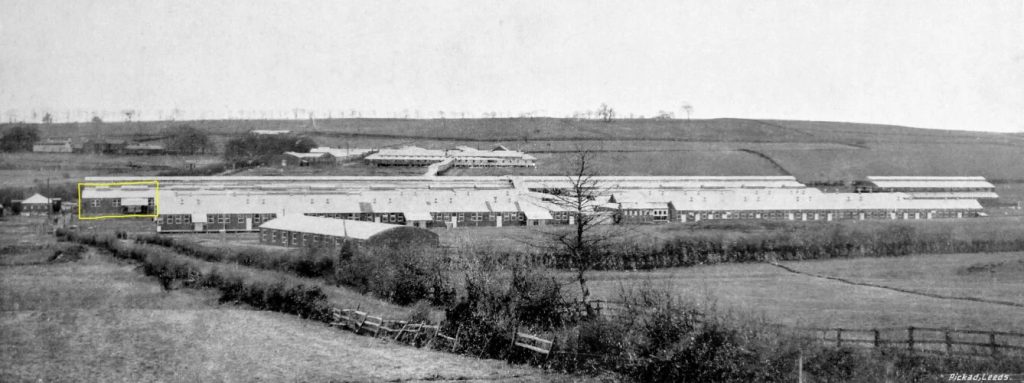
There were around 150 women in that hut.
Some were killed instantly. Others were thrown to the ground, disoriented and injured, trying to understand where they were.
And then instinct.
- To stand
- To move
- To find a way out
But the structure itself had failed. Walls had given way. Debris blocked paths that had been clear seconds earlier. The air was thick and difficult to breathe.
And above it all, the water continued to fall.
There are accounts of women trying to reach others. Of voices calling out, then disappearing. Of shapes in the haze that could not be reached in time.
It wasn’t a single moment of destruction.
It was a series of moments, each one closing off another chance to escape.
The Risk That Remained
Even after the explosion, the danger did not settle.
Barnbow was a munitions factory. Room 42 was only one part of a much larger system.
- Other shells remained nearby
- Explosive materials were still present
- The possibility of further detonation had not gone
Anyone entering the hut knew this.
And yet, people did.
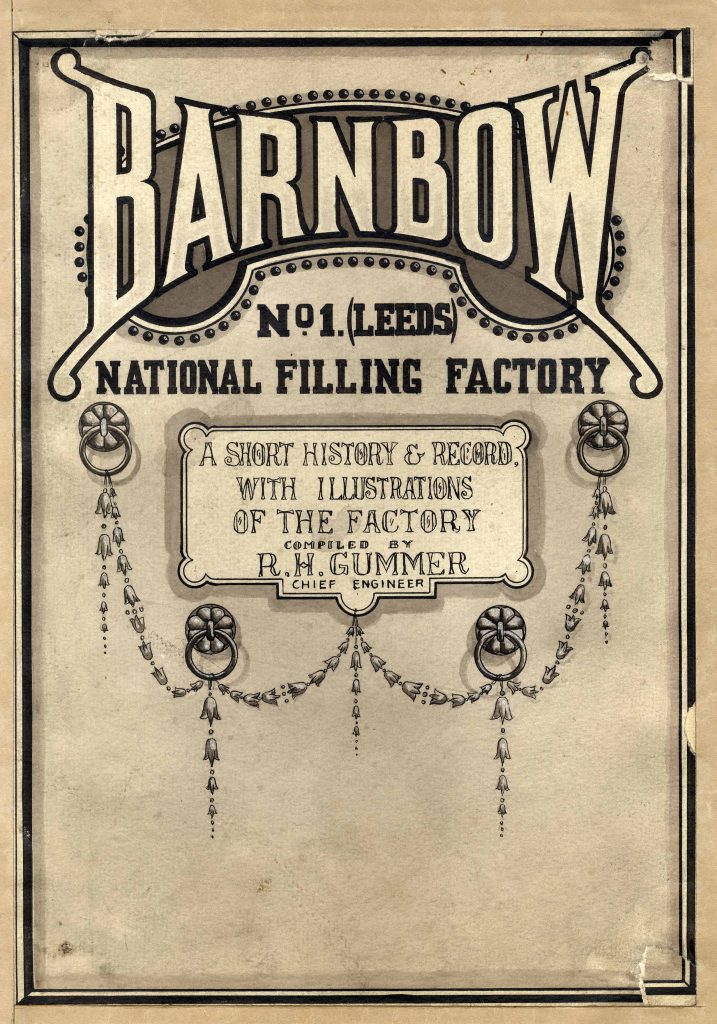
An engineer named William Parkin went back into that space again and again, pulling survivors out where he could.
He did not know if another explosion would follow.
He went in anyway.
The Quiet That Followed
Outside the hut, the scale of what had happened settled in.
Thirty-five women and girls would not leave the factory that night.
Many more were injured — some visibly, others in ways that would not be spoken about at the time.
And yet, beyond the factory gates, almost nothing was said.
- The press carried little detail
- Workers were bound by wartime law not to speak
- Death notices avoided the truth
The explosion was not denied.
But it was not explained.
It existed in fragments — in memory, in private conversation, in the spaces where people tried to make sense of something they could not fully understand.
The Moment of Disaster – More Than a Single Moment
It is easy, looking back, to focus on the explosion itself.
To see it as a single point in time.
But Room 42 was not defined by one moment alone.
It was shaped by everything that led up to it:
- The pressure to produce
- The repetition of dangerous work
- The fatigue that settled into long shifts
- The quiet acceptance of risk
The explosion revealed all of that in an instant.
And then, just as quickly, it was folded back into the wider effort of the war.
Production continued.
Because it had to.
Conclusion to The Moment of Disaster
What happened inside Room 42 was not simply an accident.
It was the result of a system that depended on precision under pressure, carried out by people who were asked to endure more than they should have been.
The explosion ended lives.
But the moments after — the heat, the falling water, the struggle to move through something that had become unrecognisable — tell us something deeper about what it was like to be there.
Not as history.
But as experience.
And that is the part that is hardest to forget.
About the Book—A Penny a Shell
The history of Barnbow can be told through records, reports, and numbers.
But the lives behind it — the women who worked there, the choices they made, the risks they carried — are harder to capture.
A Penny a shell is built from that space.
Grounded in actual events, including the explosion in Room 42, it follows the women inside the factory — not as background to the war, but as its foundation.
If this article gives you the outline, the book takes you inside it.
Sources
- Eyewitness account of Mary Cowell (Leeds Evening Post interview, 1995)
- Barnbow historical records and archival material
- Imperial War Museum collections
- Leeds City Archives on Barnbow Munitions Factory