

The Barnbow Lasses – Archival traces—pay slips, coroners’ notes, censored reports and oral fragments—reveal disciplined, skilled women whose daily courage kept a major munitions works running under fatigue, pressure and constant danger.
These records show how censorship flattened catastrophe into a phrase, how payrolls and medical logs document work routines and TNT exposure, and how disciplinary and condolence files restore lived texture. Together, they reshape wartime narratives and refine the historical questions still being pursued in search of fuller testimony.
Key Takeaways
- Ordinary working-class women performed skilled, dangerous munitions work and sustained wartime production under relentless quotas and fatigue.
- Archival research shows how censorship removed the scale and human detail of the Barnbow explosion from public view.
- Combining payrolls, coroners’ reports and oral histories recovers individual names and lived rhythms behind impersonal statistics.
- Rigorous transcription and cross-referencing turn fragmented traces into coherent testimonies demanding ethical attention.
- Focusing on Barnbow reframes WWI home-front history around working-class women’s resilience, sacrifice and everyday agency.
The Everyday Courage of Ordinary Women
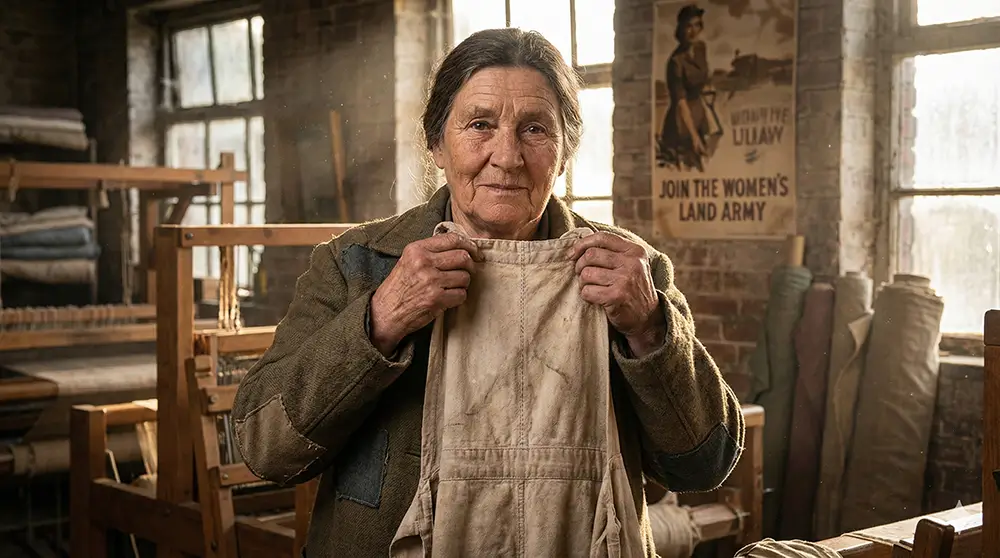
Close examination of ledgers, letters and brittle factory registers from Barnbow reveals a clear pattern: ordinary women undertook extraordinary labour under tightly regulated conditions that left little space for error or complaint.
Payrolls and shift rosters show how the Barnbow Lasses kept a vast munitions factory operating, negotiating quotas, fatigue and constant risk. Archival notes outline the routines of shell filling, while medical logs document TNT exposure. Informal memoirs map broader patterns of resilience across the WWI home front.
These materials demonstrate how women at Barnbow shouldered extraordinary burdens without public recognition, shaping Leeds’s wartime economy and sustaining national production. The history here is grounded in documents that invite courage to be interpreted as collective, procedural and enduring.
Unearthing Voices Buried by Censorship
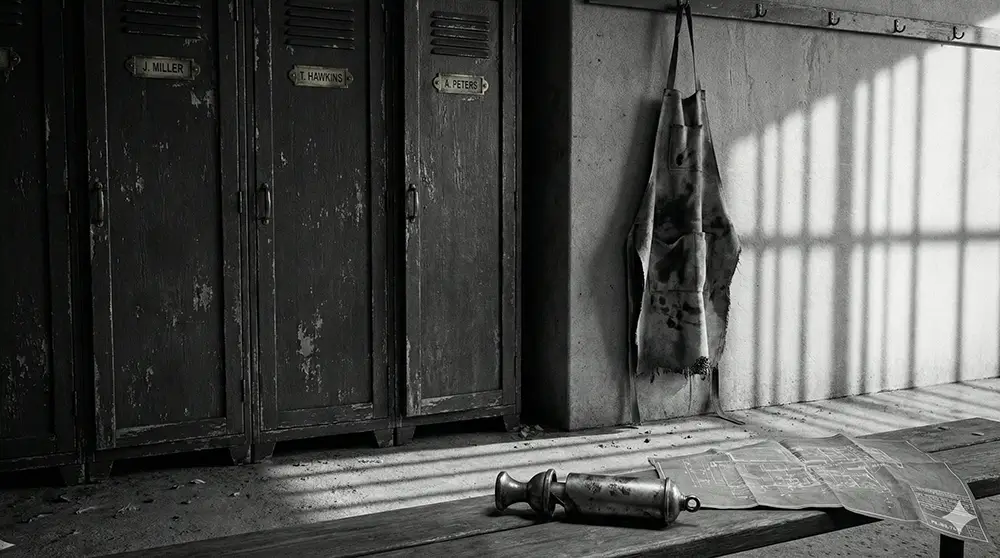
Although wartime censorship sought to silence the Barnbow Lasses—reducing the 1916 explosion to a minimal “accident at a Northern factory”—the archive preserves enough fragments to recover their voices. Factory registers with pencilled marginalia, coroners’ reports naming the dead, censored newspapers hinting at suppressed realities, and oral histories passed down within families together form a mosaic of remembrance.
Payrolls and production logs help align names with shifts, illustrating exactly who was present when many women lost their lives. Labour records linked with medical notes reveal the oppressive conditions and TNT exposure that working-class women endured.
Historical reconstruction requires attentive transcription, corroboration across disparate sources, and the framing of these voices within a narrative of resilience, loss and remembrance.
Centre Stage for Working‑Class Wartime Lives
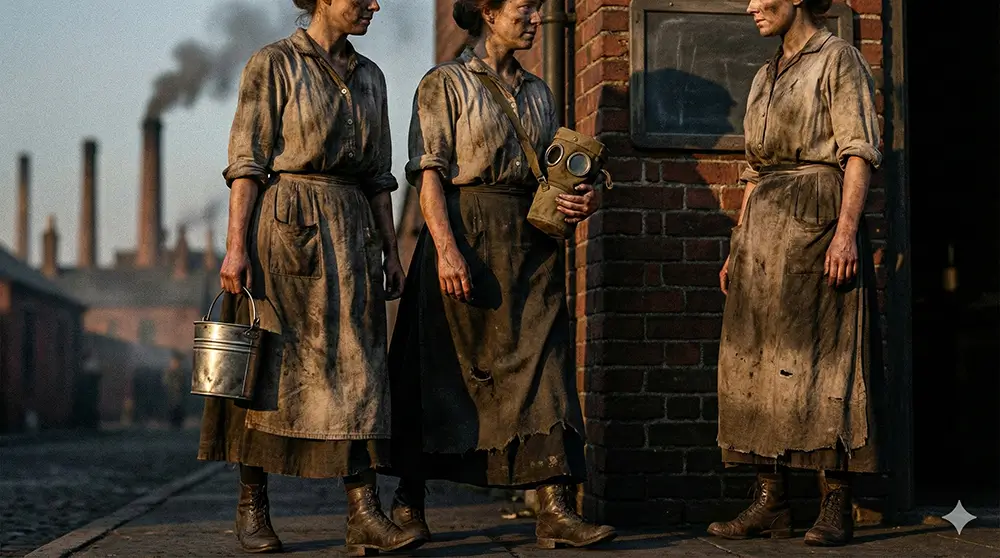
Archival material reveals how wartime Britain actually functioned, making it essential to place working-class women at the centre of the story. Payrolls, coroners’ files, factory registers and oral testimonies depict women not as peripheral figures but as a skilled, disciplined and risk-bearing workforce that sustained the munitions industry.
In ledger entries and coroners’ reports, the Barnbow Lasses appear not as abstractions but as agents shaping the WWI home front. Their resilience and sacrifice stand alongside output figures in the filling-factory records; their daily realities surface in disciplinary logs, witness statements and family papers.
How Research Transforms the Writer
Recentering working-class women in wartime narratives reshapes not only what historians study but how they study it. Rigorous archival work alters the researcher as much as the record.
Examining documents related to the Barnbow explosion teaches scholars to read absence, interpret fragmentary evidence and trace meaning through incomplete files. Research gradually shifts from broad assumptions to concrete details about munitions workers and their routines in Leeds.
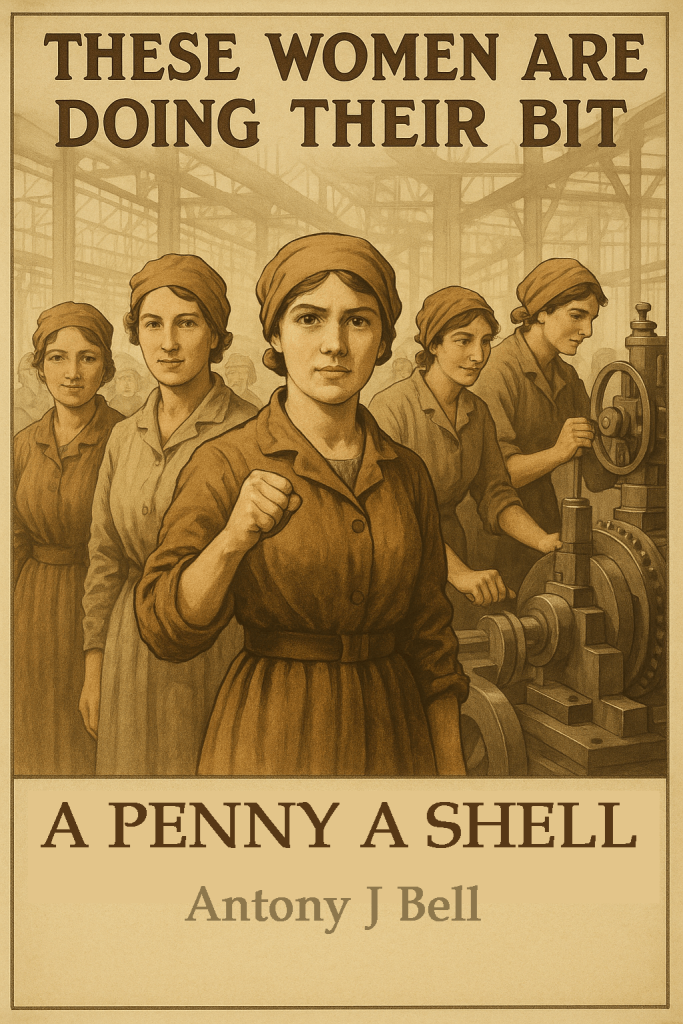
This process transforms the historian’s voice, making storytelling more attentive to memory, sacrifice and resilience. The archives cultivate ethical listening, situational awareness and humility before testimony. Historical recovery becomes not only an intellectual task but also a recalibration of method, priority and responsibility.
Remembering Lives Beyond Statistics
When researchers move beyond casualty lists and ledger entries, Barnbow’s records begin to reveal the rhythms of everyday life—staggered shifts, pay slips that supported entire households, and letters that capture friendships as vividly as they chart grief.
Small evidentiary traces—a wage stub, a condolence note, a two-line death notice—become entry points into the lived worlds of the Barnbow Lasses. Framed within Leeds’s social context and the labour regimes of the First World War, these fragments restore working-class women to history. Their stories foreground resilience, sacrifice and intentional remembrance rather than anonymity.
Conclusion

In the documents preserved from Barnbow, ordinary hands steady deadly machines; censored reports mute stories of catastrophe; working-class lives take centre stage in the archive; and careful research reshapes both narrative and narrator. These records hold names that official accounts once erased and chart grief that wartime reports concealed.
Together, they ensure that the Barnbow Lasses endure not as statistics but as lived experiences, recorded in fragments and reconstructed with care.
FAQs About ‘The Barnbow Lasses’
Who were the Barnbow Lasses?
The Barnbow Lasses were women and girls from across Leeds, Castleford, York, Tadcaster, Garforth, and surrounding Yorkshire villages who worked at the Barnbow munitions factory during the First World War. They produced high-explosive shells for the Western Front, often working twelve-hour shifts under dangerous conditions. Many had never worked in industry before; they were domestic servants, farm labourers, shop assistants, and young women seeking stable wages to support their families while the men were at war.
What happened during the Barnbow explosion of 5 December 1916?
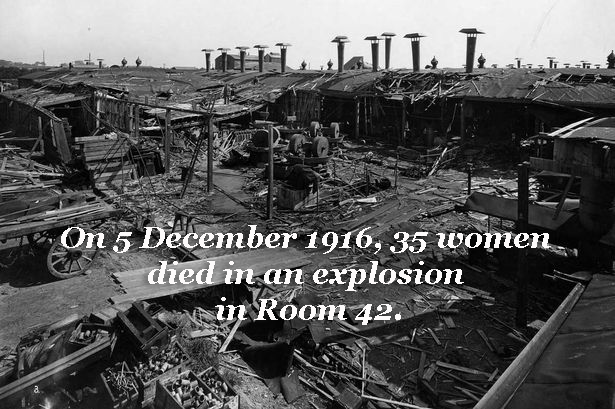
On the night of 5 December 1916, a catastrophic explosion occurred in Room 42, one of the shell-filling rooms inside the Barnbow National Filling Factory. At 10:27 p.m., a faulty or overfilled shell triggered a blast that killed 35 workers instantly and injured many more. It remains the worst industrial accident in Leeds history, yet it received almost no press coverage at the time due to wartime censorship.
Why was the Barnbow explosion kept secret?
The tragedy was censored under the Defence of the Realm Act (DORA), which restricted the reporting of anything that might harm morale or expose weaknesses in Britain’s munitions supply. Newspapers could only refer to it vaguely as an “accident at a Northern factory.” Families were told the women died in an “industrial mishap,” and the full details did not become public until after the war. This secrecy is one reason the Barnbow Lasses remained a hidden part of Yorkshire history for decades.
What kind of work did women do at the Barnbow munitions factory?
Women performed nearly all the critical roles in the shell-filling process: cleaning empty shells, inserting components, pouring molten Amatol (a TNT mixture), operating hydraulic presses, fitting fuses, and capping the shells. The work demanded absolute precision—one mistake could be fatal. The Lasses endured TNT poisoning, long hours, and repetitive manual labour in poorly ventilated rooms. They were essential members of the WW1 home front, producing millions of shells used at battles such as the Somme, Arras, and Passchendaele.
Why did many Barnbow workers turn yellow?
Exposure to TNT (trinitrotoluene) caused the skin to take on a yellowish tint, a condition widely recognised among women munitions workers and nicknamed “canary skin.” TNT poisoning also caused nausea, headaches, anaemia, and liver damage. Despite these health risks, working at Barnbow paid far better wages than most factory or domestic work, making it vital for many working-class women trying to keep their families afloat during the war.
Where did the Barnbow workers come from?
The workforce was overwhelmingly local. Women travelled from Leeds, Castleford, Pontefract, Garforth, Kippax, Aberford, Tadcaster, and even rural villages connected by small railway halts. The factory had its own station—Barnbow Halt—where trains packed with women in overalls and headscarves arrived every morning and night. The train rides were famously lively, filled with singing, joking, and gossip, offering rare moments of camaraderie before the long shift ahead.
How dangerous was working at a WW1 munitions factory?
Extremely. Besides the constant risk of explosion, workers faced toxic fumes, chemical burns, slips and falls, and the hazards of heavy machinery. A single spark, dropped tool, or overfilled shell could set off a chain reaction. Even so, women accepted the risks because the work paid good wages—and because they believed they were helping loved ones at the front. Their labour was essential to the war effort, and modern historians recognise them as an indispensable part of true WW1 stories.
How many women died at Barnbow during WW1?
The 1916 Room 42 explosion claimed 35 lives, but at least three additional deaths occurred at Barnbow during the course of the war in separate incidents involving equipment failures or smaller accidents. Many more suffered long-term health damage from TNT exposure, though these effects were rarely documented officially. The exact number of women whose lives were shortened by munitions work is impossible to determine.
Why is the story of the Barnbow Lasses important today?
Their story highlights the massive contribution of women munitions workers to the British war effort—an area often overshadowed by battlefield narratives. The Lasses represent the courage, sacrifice, and grit of working-class Yorkshire women whose efforts helped shape the outcome of WW1. Their tragedy also underscores the cost of war on those far from the front line. Remembering them ensures they are not lost to time or dismissed as a footnote in Leeds history.
How are the Barnbow Lasses remembered now? The Crossgates Memorial
Today, the Barnbow site contains memorials honouring the women who died, including plaques, sculptures, and information boards near the former factory grounds. The Leeds City Council and several local history groups have worked to preserve their memory through exhibitions, heritage trails, and commemorations. Schools across Yorkshire now teach about the Barnbow Lasses as part of their Yorkshire heritage curriculum. Their story also inspired books, documentaries, academic research, and the creation of fiction like A Penny a Shell, which aims to bring their voices to new generations of readers.