
Why Most Historical Fiction Feels Fake – There is a moment, when reading historical fiction, where something slips.
You are still in the scene. The setting is correct. The clothes are right. The dates line up. And yet, something feels off. The illusion breaks, not because the writer has made a factual mistake, but because the world no longer feels lived in. It feels arranged.
Most historical fiction fails here.
Not in research, but in reality.
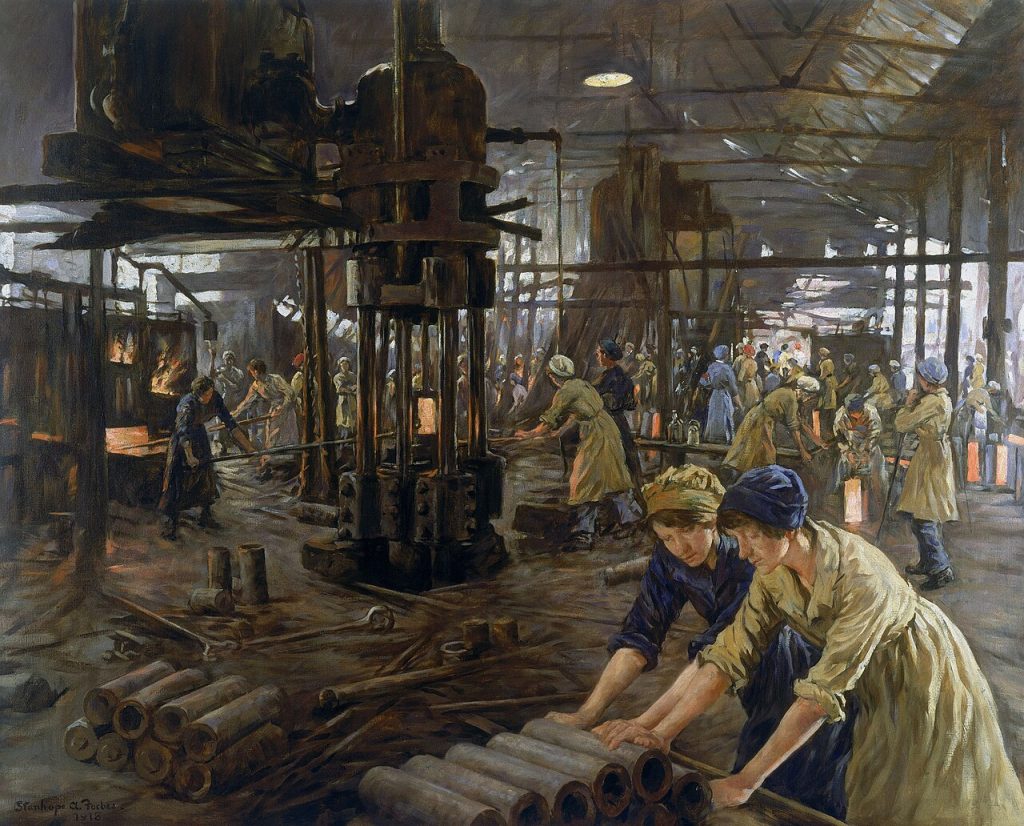
The Core Problem: The Past Is Treated Like a Museum
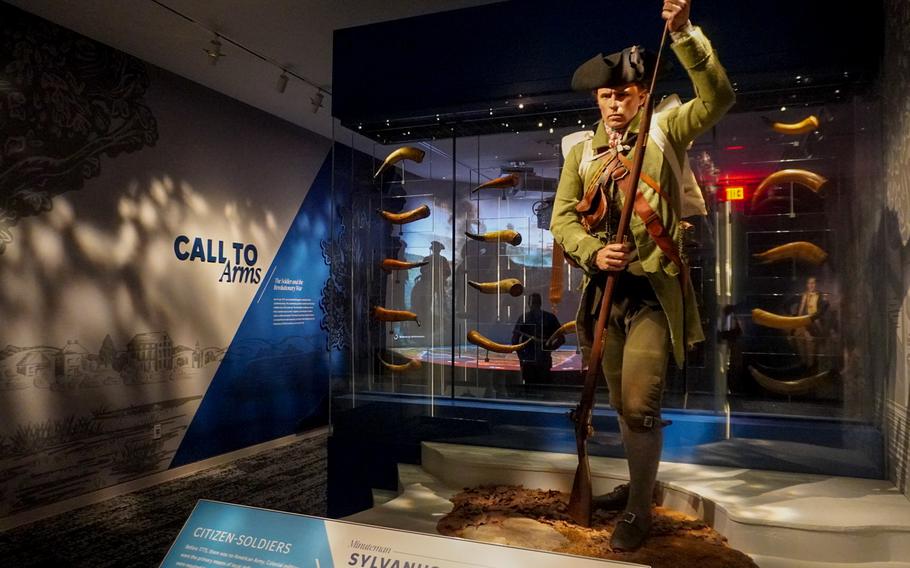
Too many writers approach history as if it were something distant, something to be carefully reconstructed and displayed. They layer in detail—costumes, dialect, period slang, long descriptions of streets and objects—believing that accuracy will create authenticity.
It doesn’t.
It creates distance.
Because the past was never experienced as “the past.” It was simply the present, lived moment by moment by people who had no sense of how history would remember them. They were not thinking in themes or eras. They were thinking about getting through the day.
When a character walks into a room and notices every historically accurate object, the writer may feel they are grounding the reader. In reality, they are pulling the reader out. No one experiences the world like that. Not now, and not then.
People Didn’t Speak Like “Historical Characters”
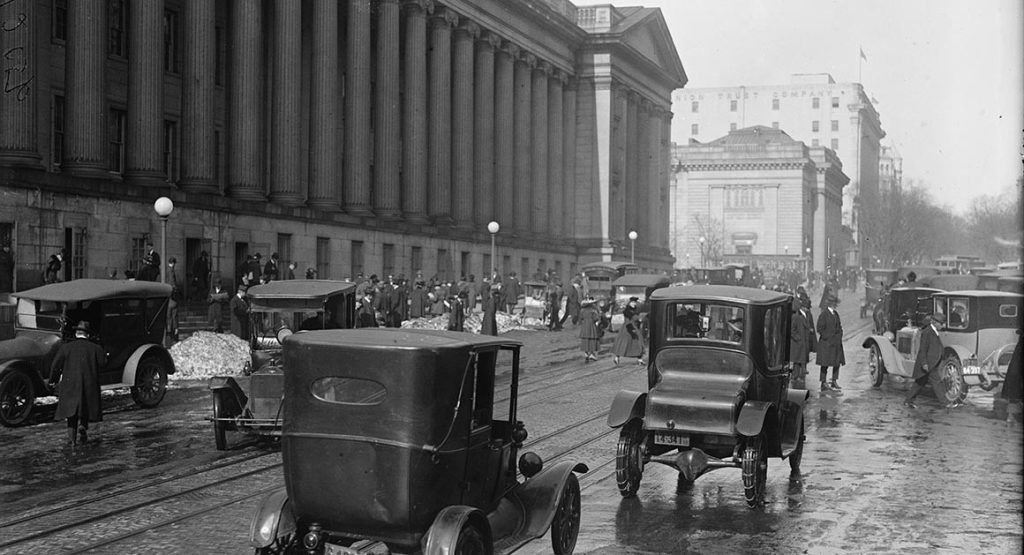
One of the quickest ways to lose a reader is through dialogue that tries too hard to sound old.
Writers reach for formality, for stiffness, for what they think people must have sounded like. The result is dialogue that feels written, not spoken. It becomes theatrical, sometimes unintentionally comic.
The truth is simpler.
People in 1914 did not wake up and decide to speak in a way that would sound “authentic” to someone a hundred years later. They spoke plainly. Directly. Often bluntly. Urgently.
A fisherman on the Yorkshire coast, a factory worker in Leeds, a boy in Scarborough—they were not composing speeches. They were talking to be understood.
The past is not made believable by changing how people speak. It is made believable by keeping their speech grounded in the same human pressures that exist now.
Research Is Not the Story
Research matters. It gives you confidence. It prevents obvious mistakes. It builds the world beneath the surface.
But it is not the story.
The problem comes when research begins to take priority over experience. When scenes exist to show the research rather than to serve the character. When the writer cannot resist explaining how something works, or why something matters historically.
The reader does not care about the research in isolation.
They care about what it does to the character.
If a ship’s winch is important, it is not because of its technical specification. It is because a man’s hands are on it, because it might fail, because the cable running through it could kill someone if it snaps. The detail matters only when it is tied to consequence.
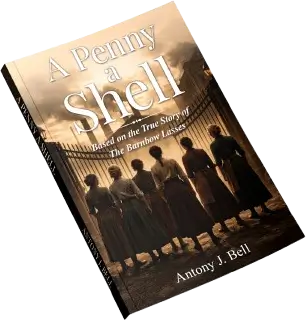
This is something I became very aware of while writing A Penny a Shell. The temptation to include everything I had learned was strong. The discipline came in holding back—keeping only what served the moment, the character, the pressure of the scene.
The Weight of the Present Moment
What makes historical fiction feel real is not accuracy alone. It is pressure.
At any given moment, your character should be dealing with something immediate. Something unresolved. Something that matters to them right now.
Fear. Shame. Duty. Anger. Confusion.
These are not historical emotions. They are human ones.
When a scene is anchored in those pressures, the setting becomes secondary in the best possible way. It is still there, shaping everything, but it does not need to be constantly pointed at. The reader absorbs it without being told.
This is where many novels falter. They pause to describe when they should be moving. They explain when they should be letting the moment carry the weight.
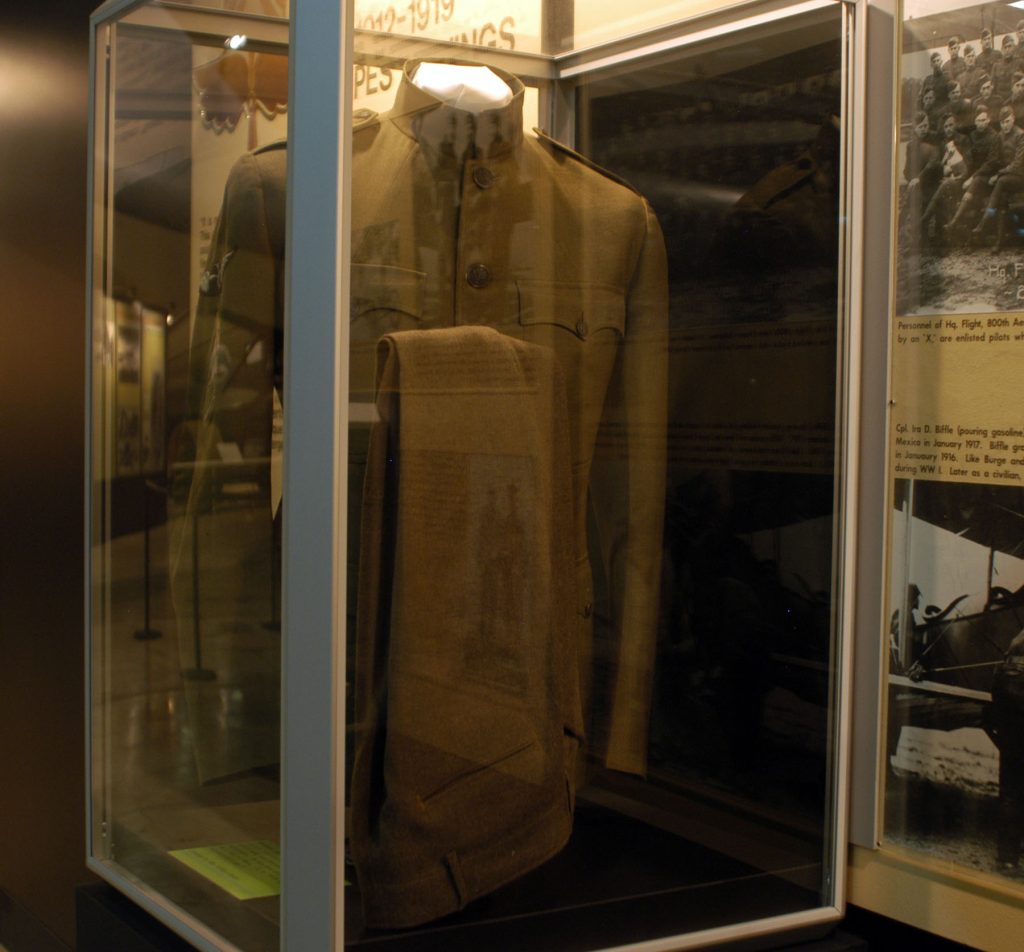
Detail Should Feel Discovered, Not Delivered
The most convincing historical detail is often the smallest.
A rope creaking against a bollard. The way coal smoke sits low on a cold morning. The feel of wet wood under a boot. The sound of something heavy moving out of sight.
These details work because they are not announced. They are encountered.
When detail is delivered in blocks, it feels like information. When it appears inside action, inside movement, inside thought, it feels like experience.
The reader does not need a lecture on the harbour. They need to feel what it is like to stand in it.
Trust the Reader
There is a tendency, especially when writing historical fiction, to over-explain. To make sure the reader understands the context, the significance, the timeline.
This usually comes from a good place. You want the reader to follow. You want them to appreciate what is happening.
But over-explanation kills immersion.
Readers are more capable than we often allow. They can infer. They can piece things together. They can sit with uncertainty.
If you trust them, the story becomes stronger. If you do not, the story begins to feel like it is being managed.

How to Avoid It
There is no single technique that fixes Why Most Historical Fiction Feels Fake. It is a shift in approach.
Write the past as if it is happening now.
Let characters notice only what matters to them in the moment. Let them speak in a way that serves communication, not performance. Let research sit beneath the surface, supporting the scene without taking it over.
Focus on pressure, not decoration.
If the reader feels what the character feels, the world will follow.
Final Thought on Why Most Historical Fiction Feels Fake
The past is not distant when it is written well.
It is immediate. It is uncertain. It is alive.
And if you can hold onto that—if you can resist the urge to present history and instead allow it to unfold—then your story will stop feeling like something observed.
It will feel like something lived.
If you want next level optimisation, I can: