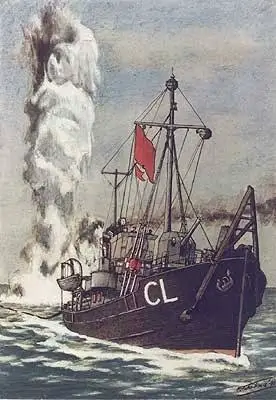
How a WW1 trawler swept for mines
Two fishing boats, a steel wire, a wooden kite and a man on the winch brake. This is how trawlers cleared German mines from the North Sea in the First World War, and why it cost so many of them.


Two fishing boats, a steel wire, a wooden kite and a man on the winch brake. This is how trawlers cleared German mines from the North Sea in the First World War, and why it cost so many of them.

I was interviewed by Leslie S. Lowe for the Historical Novel Society about A Penny a Shell. It was a chance to talk about where the book came from, why it matters so much to me, and what I hope readers take from it.
In January 1916, a Scarborough trawler called the Rosy Morn struck a mine in the North Sea, and two local men never came home. This is the true story of the boat behind The Fate of Rosie Morn, and why the novel moves her loss a year earlier.
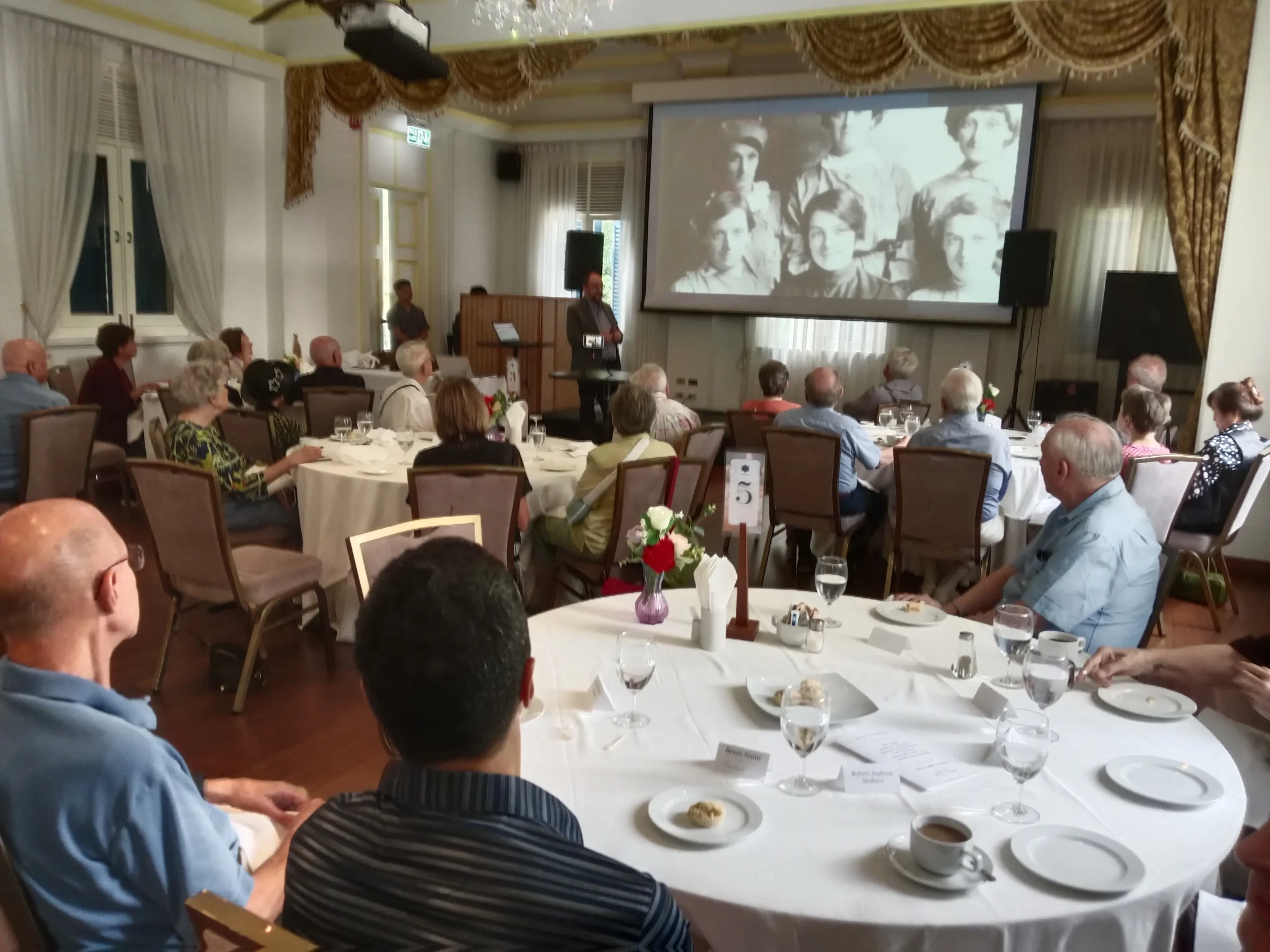
On Thursday 3rd September 2026, I had the great pleasure of speaking at the Active Living Section luncheon at The British Club Bangkok. The Club
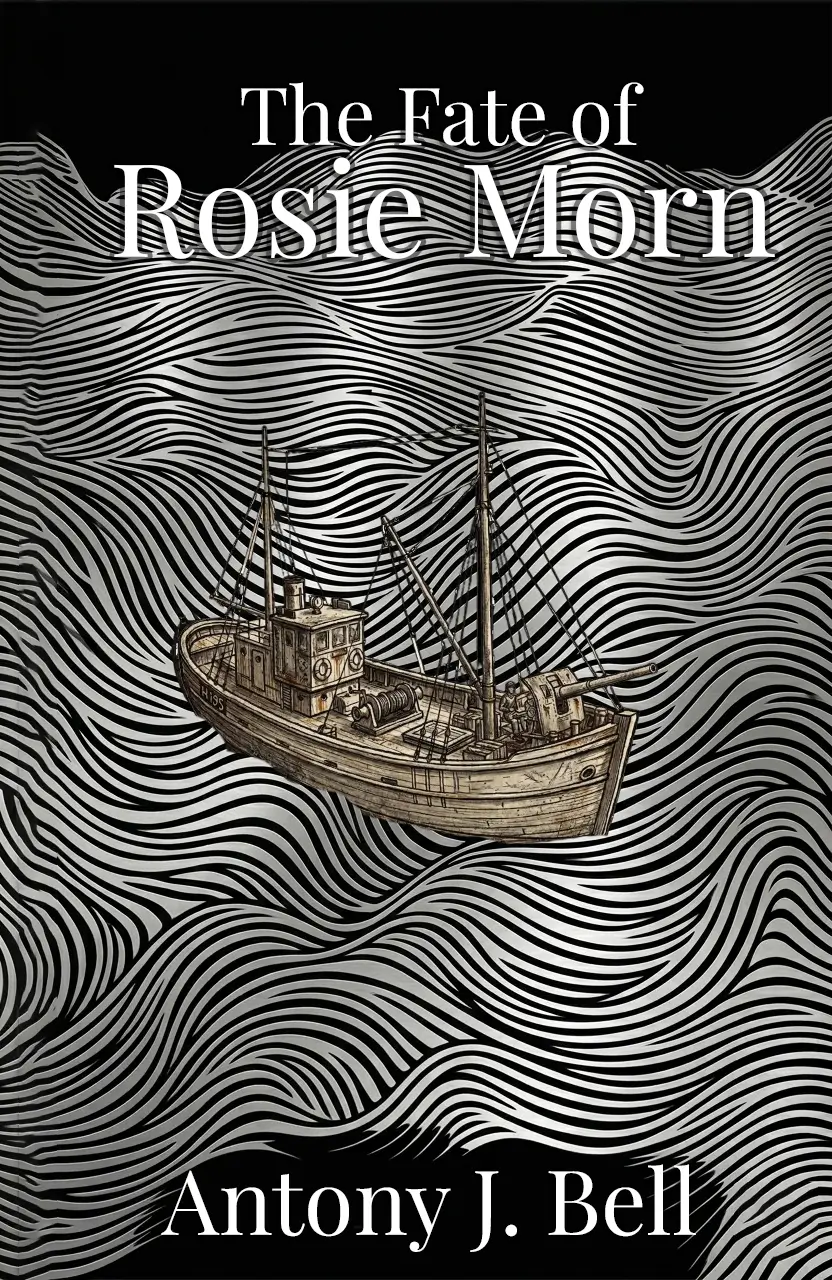
Out 1st November – Seventeen-year-old Will Topping wants only one thing: to be treated like one of the men. Aboard HMT Rosie Morn, that respect has to be earned — and out on the North Sea, wanting to belong and being ready for what that means are very different things.
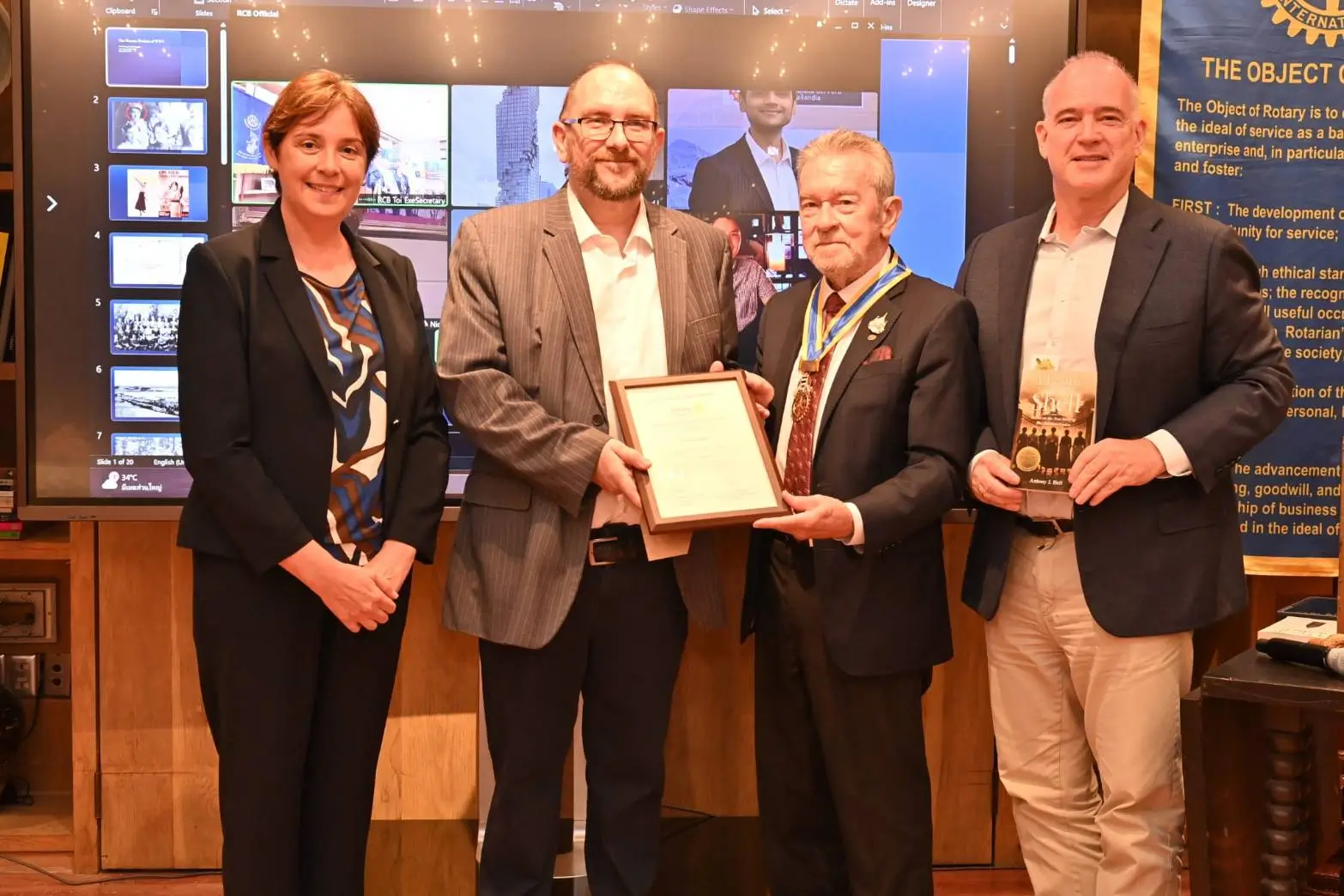
A recent talk at the Rotary Club of Bangkok gave me the opportunity to take the story behind A Penny a Shell from podcasts to a live audience, sharing the history of Barnbow, the women who worked there, and the family story that first led me to uncover what happened to my great-grandmother, Sarah Ann Jennings